

Saving money is no longer optional—it’s essential. With the cost of living rising, fuel prices fluctuating, and daily expenses increasing, people are looking for practical ways to stretch their income. The good news? You can save a significant amount without drastically changing your lifestyle. All it takes is awareness, discipline, and smart financial habits.
This comprehensive guide covers powerful, actionable, and practical money-saving strategies that genuinely work in 2025. Whether you’re trying to save for travel, emergency funds, investments, or a big purchase, these tips will help you build strong financial stability.
1. Build a realistic budget you will actually follow


Most people create budgets but forget to follow them. The key is to create a budget that feels natural and easy to maintain.
Steps to build a practical budget:
- List your monthly income (salary, side income, rental, etc.)
- Track every single expense for 30 days
- Group expenses into categories:
- Essentials (rent, groceries, bills)
- Lifestyle (shopping, entertainment)
- Financial (savings, investments)
- Check which category consumes the most money
- Set a limit for each category
- Review your budget weekly to stay on track
Why this works:
A well-planned budget helps you identify hidden spending areas—like frequent snacks, subscriptions, or unnecessary shopping.
2. Use the 50-30-20 method for better financial balance
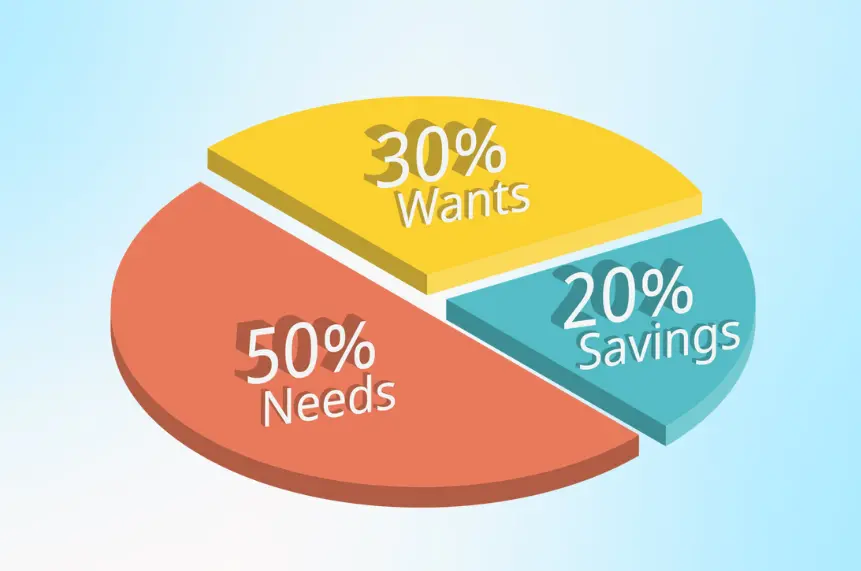
The 50-30-20 rule is still one of the easiest ways to manage money.
- 50% Needs → groceries, rent, electricity, gas, insurance
- 30% Wants → dining out, clothes, entertainment, travel
- 20% Savings → FD, SIPs, mutual funds, emergency fund
Why it’s effective:
It ensures your lifestyle doesn’t exceed your income while guaranteeing consistent savings every month.
3. Eliminate impulse purchases (the biggest money leak)

Most people overspend because of impulse buying, especially due to:
- Flash sales
- Limited-time offers
- Buy 1 Get 1 deals
- Social media ads
Ways to control impulse spending:
- Use a 24-hour rule before buying non-essential items
- Ask yourself: Do I need this or do I just want it?
- Remove saved cards from shopping apps
- Keep only one payment method handy
- Shop with a list and stick to it
You’ll notice that most impulse desires disappear naturally within a day.
4. Automate your savings so you don’t rely on willpower


Saving manually is hard, but automatic savings make it effortless.
Ways to automate saving:
- Automatic bank transfer to a savings account every month
- SIP auto-deductions
- Recurring deposits (RDs)
- Auto-transfer to digital wallets for specific goals (like travel fund)
Automated savings become a habit you don’t think about—yet your money grows continuously.
5. Reduce monthly expenses without compromising lifestyle

Small adjustments can save thousands over time.
Practical ways to reduce bills:
- Switch off unused appliances
- Use LED bulbs and energy-efficient fans
- Compare broadband and mobile plans yearly
- Choose OTT bundles instead of individual subscriptions
- Cancel gym memberships if you’re not using them regularly
Even saving ₹500–₹2000 per month adds up to significant yearly savings.
6. Cook more meals at home — it saves more than you think
Eating out regularly or ordering online costs 3–5 times more than cooking at home.
Benefits of home cooking:
- Healthier meals
- Portion-controlled eating
- Lower food wastage
- Bulk cooking saves time and money
Try meal prepping on weekends to avoid weekday takeout temptations.
7. Track your daily spending — even small expenses matter
People often underestimate how small daily expenses add up.
Tracking spending helps you see the real picture:
- Snacks bought on the way
- Random online purchases
- Auto rides instead of public transport
- Unused subscriptions
Use simple apps like:
- Money Manager
- Walnut
- Goodbudget
This habit increases awareness and improves financial discipline.
8. Buy essentials in bulk, but intelligently

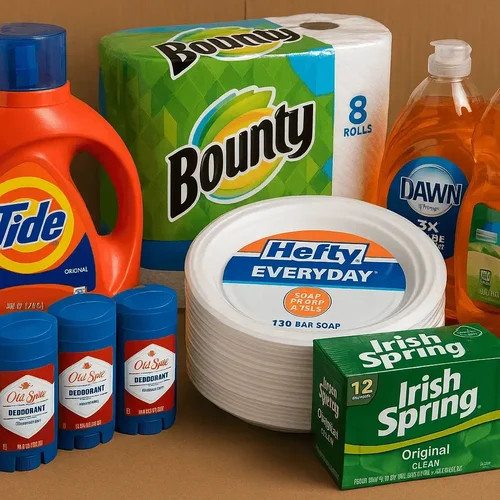
Bulk buying saves money as long as you buy the right products.
Best items to buy in bulk:
- Toiletries (soap, shampoo, toothpaste)
- Rice, flour, pulses
- Cleaning supplies
- Canned foods
- Baby products
What NOT to buy in bulk:
- Fruits
- Vegetables
- Milk
- Items with short expiry dates
Bulk buying reduces frequent trips to the store and avoids impulse purchases.
9. Use credit cards wisely — they can save money if used correctly
Credit cards are not the enemy—misuse is.
Smart credit card habits:
- Pay the full amount before the due date
- Use cards offering cashback or reward points
- Avoid EMI unless it’s interest-free
- Do not use credit cards for small frequent purchases
When used smartly, credit cards can help you save instead of causing debt.
10. Improve your financial knowledge — it pays you forever
The world is changing fast. New investment options, better savings accounts, and emerging financial tools are launched every year.
Topics you must learn:
- Mutual funds
- SIPs
- Emergency funds
- High-yield savings accounts
- Insurance
- Basic tax planning
Financial literacy empowers you to make confident decisions and avoid unnecessary losses.
Conclusion
Saving money doesn’t require huge sacrifices. It’s about being mindful, planning ahead, and developing smarter habits. If you apply even 3–4 of these strategies, you will see visible improvement in your finances within a few months.
2025 is the perfect year to become financially stronger, more stable, and more confident about your future.
This blog is for educational purposes only. Financial decisions depend on individual situations, and readers should consult a certified financial advisor before making investment or budgeting decisions.
#MoneySavingTips #SaveMoney2025 #Budgeting #FinancialPlanning #Anslation #Carrerbook #SmartSaving #PersonalFinance #FrugalLiving #WealthBuilding #FinancialTips #MoneyManagement