
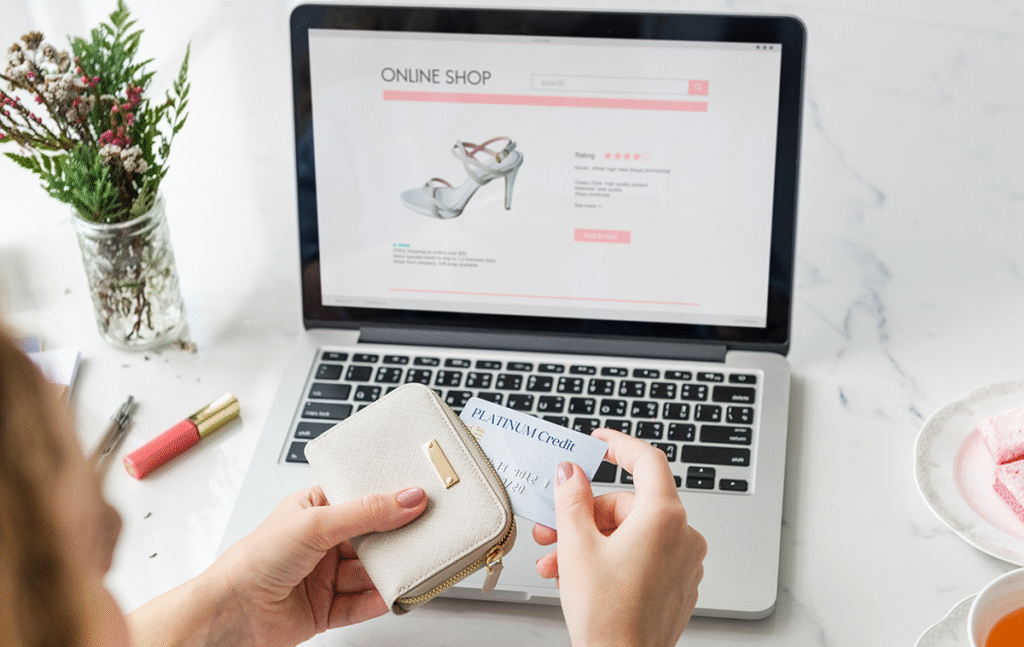
Shopping has become easier than ever before, but at the same time, choosing the right product has become far more complicated. Every day, people are surrounded by endless advertisements, influencer recommendations, online reviews, and new product launches that all claim to be the best. Whether you are shopping for electronics, fashion, beauty products, home essentials, or everyday accessories, it can feel overwhelming trying to decide which items are actually worth your money.
Many buyers assume that expensive products automatically mean better quality, while cheaper options are often viewed as unreliable. In reality, finding quality products is less about the price tag and more about understanding what truly makes a product valuable. Smart shopping is about balancing quality, functionality, durability, and affordability in a way that fits your personal budget and lifestyle.
Buying guides have become extremely important because they help consumers make informed decisions instead of impulsive purchases. A well-planned buying decision can save money, reduce stress, and prevent disappointment later. The best products are not always the most expensive ones. Sometimes affordable options perform just as well as premium alternatives when chosen carefully.
Learning how to shop wisely allows people to maximize their budget while still enjoying reliable and high-quality products. Whether you have a limited budget or prefer luxury items, understanding how to evaluate products properly helps you make smarter and more confident purchases.
Understanding What Makes a Product High Quality

Before purchasing anything, it is important to understand what quality actually means. Many people confuse branding or popularity with true product quality. While well-known brands often provide reliable products, the real measure of quality depends on several factors.
Durability is one of the most important signs of a quality product. Items that last longer often provide better long-term value even if the initial price is slightly higher. Cheap products that break quickly usually cost more over time because they need frequent replacement.
Materials also play a major role in product quality. Clothing made from breathable and durable fabrics, electronics with solid build quality, or furniture crafted from strong materials tend to perform better over time. Paying attention to material descriptions and product details helps buyers avoid low-quality purchases.
Functionality matters as well. A product should perform its intended purpose effectively and consistently. Fancy designs and marketing are not useful if the item fails to meet daily needs.
Customer reviews often provide valuable insights into real-life experiences. Reading reviews carefully helps buyers understand common problems, durability issues, and overall satisfaction before making a purchase.
Why Budget Does Not Always Determine Quality
Many shoppers believe they need to spend large amounts of money to get reliable products. While some premium products justify higher prices due to craftsmanship or advanced features, expensive items are not always the best value.
In many cases, affordable products perform nearly as well as luxury alternatives because buyers are often paying extra for branding rather than actual performance. Smart consumers focus on product value rather than simply choosing the cheapest or most expensive option.
Budget shopping becomes easier when people identify their priorities. For example, someone buying a laptop for basic browsing and schoolwork may not need an expensive high-performance model designed for gaming or professional editing.
Likewise, fashion shoppers may find timeless and durable clothing at affordable prices by focusing on fit, fabric, and versatility instead of designer labels.
Understanding personal needs prevents overspending on unnecessary features. This allows buyers to invest more wisely and choose products that truly improve their daily lives.
How to Create a Smart Buying Strategy

A successful buying strategy starts with planning. Impulsive shopping often leads to regret because emotional decisions usually ignore practicality and long-term value.
Before purchasing anything, it helps to research products carefully and compare multiple options. Reading reviews, checking specifications, and watching demonstrations provide a clearer understanding of what to expect.
Setting a realistic budget is another important step. Budgets help prevent overspending while narrowing down product choices. However, focusing only on the lowest price can sometimes lead to poor quality purchases that fail quickly.
Smart buyers also consider future costs. Some cheaper products may require expensive maintenance, replacements, or accessories later. Spending slightly more upfront for better durability can often save money in the long run.
Timing also affects shopping decisions. Seasonal sales, holiday discounts, and promotional events often provide opportunities to buy quality products at lower prices.
Patience is one of the best shopping habits because rushed purchases rarely lead to the best results.
Buying Quality Electronics on Any Budget
Electronics are among the most researched products because technology changes rapidly and prices vary significantly. Smartphones, laptops, headphones, and smart devices are available in countless versions ranging from budget-friendly to premium.
When shopping for electronics, it is important to focus on performance rather than marketing hype. Many mid-range devices now offer excellent features at affordable prices. Buyers should prioritize battery life, processing speed, storage, reliability, and software support instead of unnecessary extras.
Customer reviews and professional comparisons are especially useful for electronics because they reveal real-world performance and common technical issues.
Warranty coverage also matters because electronics are long-term investments. A slightly more expensive device with reliable customer support and warranty protection often provides better value than a cheaper alternative with poor reliability.
Refurbished electronics can also be a smart option for budget-conscious shoppers. Certified refurbished products are often tested, repaired, and sold at significantly lower prices while maintaining good quality.
Fashion Buying Guides for Every Budget
Fashion shopping becomes easier when buyers focus on timeless pieces instead of constantly chasing trends. High-quality clothing does not always need to come from luxury brands. Many affordable fashion brands now offer stylish and durable options.
Fabric quality is one of the most important factors in fashion buying. Natural materials such as cotton, linen, and wool often provide better comfort and durability compared to extremely cheap synthetic fabrics.
Fit is equally important because even expensive clothing looks less attractive when it does not fit properly. Trying on clothing or carefully checking size guides helps avoid unnecessary returns and wasted money.
Capsule wardrobes have also become popular because they encourage buying versatile pieces that can be mixed and matched easily. Neutral-colored basics, comfortable denim, quality shoes, and timeless jackets create stylish outfits without requiring excessive spending.
Fashion buying should prioritize confidence and practicality rather than simply following every viral trend.
Finding Reliable Home and Kitchen Products
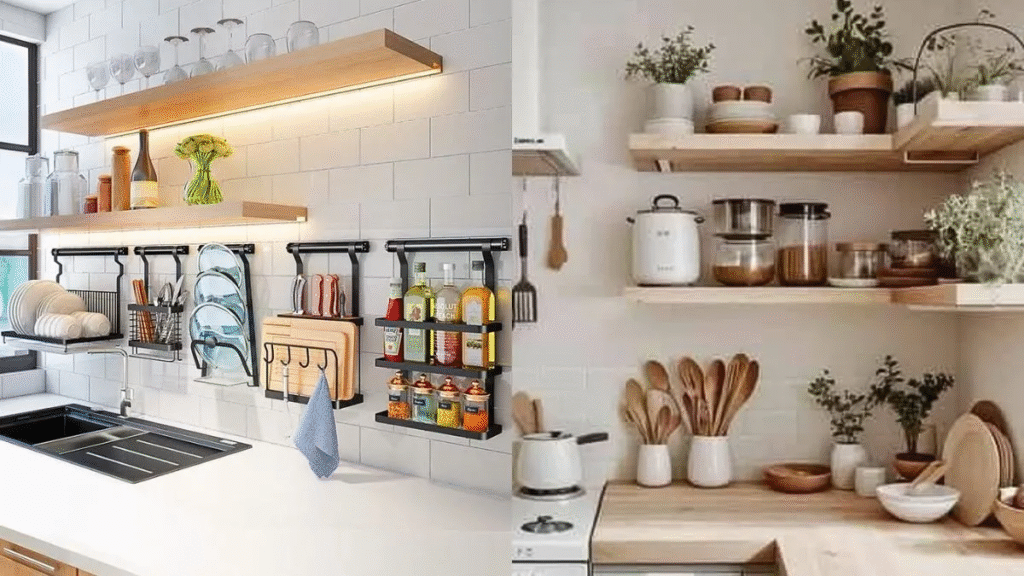
Home and kitchen products are used daily, which makes durability and functionality especially important. Whether buying cookware, furniture, appliances, or storage solutions, quality products improve comfort and convenience over time.
In the kitchen, stainless steel cookware, durable utensils, and reliable appliances usually provide the best long-term value. Cheap kitchen items may wear out quickly or perform poorly after repeated use.
Furniture shopping also requires careful attention to materials and construction. Solid wood, sturdy metal frames, and durable upholstery often last much longer than cheaply made alternatives.
Reading assembly instructions and checking dimensions before purchasing furniture can prevent frustration later. Online images sometimes make products appear larger or more luxurious than they actually are.
Minimalist home shopping habits are becoming increasingly popular because they focus on buying fewer but higher-quality items. Instead of filling homes with unnecessary products, many buyers now prioritize practicality and long-lasting design.
Beauty and Personal Care Buying Tips
Beauty and skincare products are another category where buyers often struggle to separate marketing from actual quality. Expensive beauty products are not always more effective, and affordable alternatives can sometimes deliver excellent results.
Understanding ingredients is one of the best ways to make informed beauty purchases. Products with gentle, proven ingredients often work better than heavily marketed products filled with unnecessary fragrances or harsh chemicals.
Skin type also matters because products that work for one person may not suit another. Researching personal needs before buying helps avoid wasting money on ineffective products.
Reviews and dermatologist recommendations can provide useful guidance, especially when buying skincare or haircare items.
Trying smaller sizes before investing in full-sized products is another smart strategy. This reduces the risk of spending large amounts on products that may not meet expectations.
Avoiding Common Shopping Mistakes
One of the most common shopping mistakes is buying products emotionally instead of logically. Limited-time offers and social media trends often pressure people into purchasing items they do not actually need.
Ignoring reviews and product research can also lead to disappointment. Many buyers skip research because they feel excited or rushed, only to regret the purchase later.
Another mistake is assuming that brand reputation guarantees quality. While established brands often provide reliable products, some lesser-known brands offer equally good alternatives at lower prices.

Failing to compare prices across different platforms can also result in unnecessary overspending. Prices frequently vary between stores, especially online.
Impulse buying often creates clutter and financial stress. Taking time to evaluate purchases carefully helps people focus on products that genuinely improve their lives.
Sustainable and Mindful Shopping
Modern consumers are becoming more aware of sustainability and ethical shopping practices. Buying fewer but better-quality products not only saves money but also reduces waste and environmental impact.
Fast fashion and disposable products contribute to unnecessary waste because they are often replaced quickly. Choosing durable products encourages more responsible consumption.
Sustainable shopping also involves supporting brands that prioritize ethical production and environmentally friendly materials. Many consumers now prefer reusable, recyclable, and long-lasting products instead of single-use alternatives.
Mindful shopping encourages people to think carefully before buying. Asking whether a product is truly necessary or whether it will remain useful long-term helps reduce unnecessary spending.
Quality products often support sustainability because they last longer and require fewer replacements.
Online Shopping vs In-Store Shopping

Both online and in-store shopping have advantages depending on the product category and personal preferences. Online shopping provides convenience, larger selections, and easy price comparisons. However, it also comes with risks such as inaccurate sizing, misleading photos, and delayed shipping.
Reading detailed reviews and checking return policies are especially important when shopping online. Product photos alone may not accurately represent real quality or appearance.
In-store shopping allows buyers to physically inspect products before purchasing. This is especially helpful for clothing, furniture, and home décor items where texture, size, and comfort matter.
Many smart shoppers combine both methods by researching online before visiting stores or testing products in stores before purchasing online for better prices.
The goal is not simply to buy products quickly but to make confident and informed decisions.
FAQs
1.How can I tell if a product is high quality?
Look for durable materials, positive customer reviews, reliable performance, warranty coverage, and strong construction when evaluating product quality.
2.Are expensive products always better?
No, expensive products are not always better. Many affordable products offer excellent quality and performance when researched carefully.
3.What is the best way to shop on a budget?
Set a realistic budget, compare multiple options, research reviews, and focus on value rather than impulse buying.
4.Why are customer reviews important?
Customer reviews provide real-life experiences and help identify common problems, durability issues, and overall satisfaction before purchasing.
5.How can I avoid impulse buying?
Create shopping lists, wait before making non-essential purchases, and focus on long-term needs instead of emotional decisions.