

Shopping doesn’t have to mean watching your bank account drain to zero. With smart budget finds and the right shopping deals, you can discover affordable products that look great, last a long time, and genuinely make your routine easier—all while finding hidden deals and saving money without the quiet panic of overspending.
A common misconception is that spending less automatically means settling for junk. In reality, practical shopping isn’t about hunting down the absolute cheapest piece of plastic on the shelf. It’s about uncovering true value—finding quality products that pull their weight day after day while keeping your finances intact.
Whether you’re refreshing your everyday wardrobe, setting up a functional kitchen, or looking for reliable tech, this guide covers actionable strategies to find genuine steals and dodge the clever traps retailers lay out for us.
What Actually Counts as a “Budget Find”?

A true budget find is any purchase that delivers far more practical usefulness than its price tag suggests. It might be a sturdy alternative to a heavily advertised luxury brand, a certified open-box tech deal, an end-of-season clearance gem, or a simple basic from an under-the-radar brand.
Consider everyday examples like these:
- A leak-proof, double-walled stainless steel water bottle that costs a fraction of the viral brand names.
- A dense, 100% cotton crewneck shirt with reinforced stitching that survives dozens of laundry cycles without shrinking out of shape.
- A minimalist bamboo drawer divider that instantly stops your kitchen setup from turning into chaos.
- A comfortable set of wired or wireless earbuds with solid sound isolation for your daily commute.
The magic of budget finds comes down to intentional spending. Instead of reaching for a credit card because an item is trending on social media or sports a designer logo, practical shoppers look for items that solve real everyday problems without the heavy markup.
The Hidden Trap: Cheap vs. Genuine Value
The single biggest mistake people make when trying to save money is confusing a bargain price with real value.
A $6 pair of flats sounds like an incredible deal on paper. But if the soles split open after three weeks of walking, you haven’t saved money—you’ve simply thrown away $6 and still need to buy shoes. On the flip side, a $45 pair of well-constructed shoes that holds up for three years gives you an incredible return on your money.
The Cost-Per-Use Formula
When you aren’t sure if a purchase is worth your money, try calculating its Cost-Per-Use (CPU):
$$\text{Cost-Per-Use} = \frac{\text{Purchase Price}}{\text{Estimated Number of Uses}}$$
Here is how that math breaks down in everyday life:
| Product | Retail Price | Estimated Uses | Cost-Per-Use |
| Fast-fashion trend dress | $45 | 2 times | $22.50 per wear |
| Classic, well-fitted jacket | $120 | 120 times | $1.00 per wear |
| Low-quality blender (motor burns out) | $25 | 10 uses | $2.50 per use |
| Sturdy daily blender | $70 | 350 uses | $0.20 per use |
When you frame shopping around cost-per-use, it becomes instantly clear where it pays to cut back and where spending a little extra upfront saves you money in the long run.
Smarter Ways to Uncover Online Deals
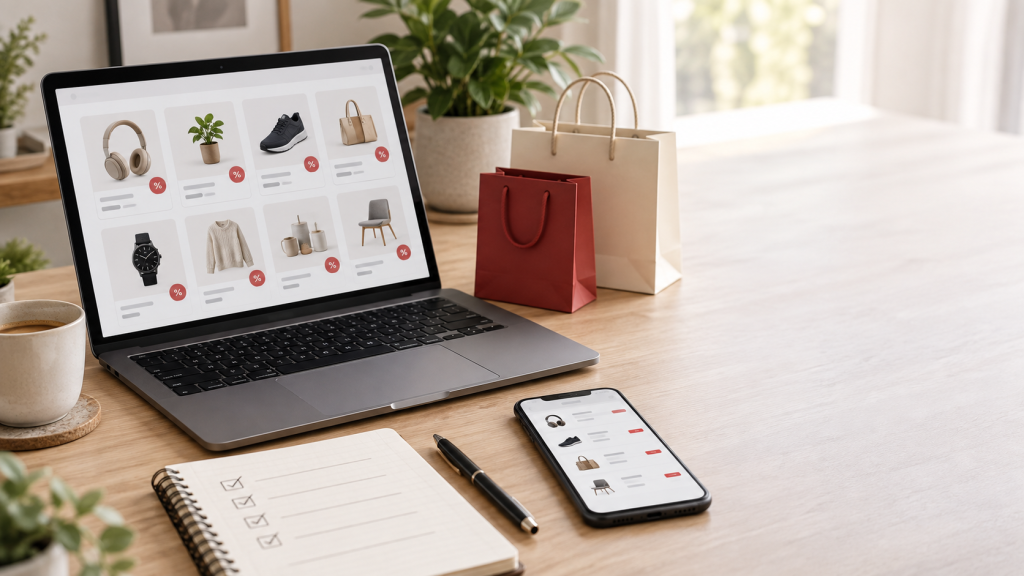
Online shopping makes comparing prices effortless, but big search engines and retail platforms are designed to push high-margin, expensive items straight to the top of your feed. To find the real bargains, you have to tweak your approach.
1. Get Specific with Search Terms and Filters
Broad searches like “women’s sweater” or “face serum” will almost always display heavily promoted, premium brands first. Instead, search using specific, functional descriptions:
- “Heavyweight ring-spun cotton hoodie”
- “Clear acrylic pantry organizer bin”
- “Stainless steel mesh watch band”
Once the search results load, immediately set a maximum price limit and filter by customer review ratings instead of default options like “Featured” or “Best Match.”
2. Check Open-Box and Refurbished Outlets
When it comes to appliances, home gear, and personal electronics, refurbished outlets are one of the best ways to stretch a budget. Trusted manufacturers frequently re-sell products that customers returned simply because the outer cardboard box was scuffed or opened.
- Stick to listings marked “Certified Refurbished,” which typically carry official inspection checks and factory warranties.
- Double-check return windows and seller ratings before hitting the buy button.
3. Factor in Hidden Delivery and Handling Costs
A product priced at $10 looks like a clear winner over a $16 alternative. But if that $10 item adds an $8 shipping fee at the final screen while the $16 item ships free, the “cheaper” option ends up costing you more. Always judge a deal by its final checkout total, including taxes and delivery fees.
Category Guide: Spotting Quality in the Wild

Different types of products call for different shopping tactics. Here is how to navigate common categories without sacrificing quality.
1. Wardrobe & Fashion Basics
Building a great wardrobe on a budget isn’t about buying cheap copies of runway trends. It’s about pulling together a versatile base of classic pieces you can wear in multiple combinations.
- Focus on timeless cuts: Plain tees, well-tailored trousers, dark-wash denim, and clean sneakers never go out of style. You can combine a handful of solid basics to create dozens of distinct looks.
- Read the fabric labels: Before buying clothing online, check the materials. Natural fibers like cotton, linen, and wool blends hold up better through washing than thin, 100% synthetic fabrics that pull and pill quickly.
- Use low-cost accessories: A plain outfit looks instantly put-together with a sleek belt, a classic watch, or a simple canvas tote. Accessories are generally inexpensive and give older clothes a fresh look.
2. Home & Kitchen Essentials
Home items are ideal for budget shopping because clean, simple design usually functions better than overly complex gadgets anyway.
- Pantry and Drawer Storage: Clear glass or durable acrylic containers keep food fresh and give your kitchen a clean, organized look. Look for multi-piece sets to bring down the price per unit.
- Mood Lighting: Lighting can completely change how a room feels. Warm-toned LED bulbs, simple desk lamps, or stick-on puck lights under cabinets give your living space a warm, high-end feel without needing expensive electrical work.
- Measure your space first: Buying budget furniture or shelving that turns out to be two inches too wide for your room is a fast way to waste money. Keep a tape tape measure handy and check your layout twice before ordering.
3. Skincare & Personal Care
The beauty industry relies heavily on fancy glass packaging, heavy fragrances, and celebrity marketing campaigns to justify high prices. The good news? Your skin responds to active ingredients, not expensive logos.
- Shop by active ingredients: Look for proven actives—like hyaluronic acid, niacinamide, or glycerin—rather than chasing brand names. Plenty of straightforward skincare lines offer effective formulas without the inflated price tag.
- Start with travel sizes: If you want to try a new moisturizer or hair treatment, buy a mini version first. Testing a smaller size saves you from getting stuck with an expensive, full-sized bottle that doesn’t agree with your skin.
4. Tech & Daily Accessories
You rarely need the newest flagship model to get solid performance. For everyday tech accessories, build quality and safety specs matter much more than release dates.
- Cables and Chargers: Stick to reputable third-party brands that carry official safety certifications (such as MFi certification for Apple accessories). You can easily find braided, long-lasting charging cables for a small fraction of what the phone manufacturers charge.
- Desk Peripherals: Items like computer mice, mechanical keyboards, phone stands, and laptop sleeves offer incredible value at lower price points. Focus on user reviews and ergonomic comfort over brand recognition.
How to Avoid “False Bargains” and Marketing Tricks

E-commerce sites employ subtle psychological tricks to make deals look more urgent and impressive than they really are. Keeping a few basic principles in mind will protect your wallet.
Golden Rule: A 50% discount on an item you weren’t going to buy in the first place isn’t a saving—it’s still a 100% waste of your money.
1. Watch Out for Fake “Original Prices”
Retailers sometimes inflate an item’s listed “list price” right before putting it on sale to make the price drop look massive. If a jacket is marked down from $120 to $35, take a second to consider: Was this jacket ever actually worth $120, or is $35 just its normal value? Quick price-tracking tools or a quick search across other stores will show you the real market price.
2. Use the 24-Hour Cooling-Off Rule
Impulse buying is the quickest way to blow through a monthly budget. Whenever you spot something online that you suddenly feel an urgent desire to buy, add it to your cart or saved list and close the tab for 24 hours.
If you are still thinking about it the next day and can clearly describe how you’ll use it, go ahead with the purchase. More often than not, the initial rush fades, and you happily walk away with your money still in your account.
3. Read Customer Reviews the Right Way
Don’t rely solely on an overall 4.5-star average. Take a minute to read through mid-tier reviews (the 2-star, 3-star, and 4-star ratings) to get an accurate view of what to expect.
- Filter by the most recent feedback: Product quality can shift if a seller changes manufacturers. Recent reviews give you the most accurate picture of what is currently shipping.
- Look at user-uploaded photos: Official product listings use professional studio lighting and heavy editing. Photos uploaded by actual customers show you how the item looks on a real kitchen counter or in natural light.
- Watch for recurring patterns: If multiple people complain about the same flaw—like weak zippers, short battery life, or tight sizing—take those warnings seriously regardless of the overall rating score.
Simple Habits for Painless Budget Shopping

Living well on a budget doesn’t mean tracking every single penny until shopping feels like a chore. It comes down to building a few sensible habits:
- Always shop with a clear list: Browsing online deal forums without a target in mind is just like going grocery shopping on an empty stomach—you’ll end up with a cart full of things you don’t need.
- Give second-hand markets a chance: Hardcover books, solid wood furniture, home decor, and heavy winter coats are fantastic items to buy second-hand. You can often buy sturdy, solid-wood furniture on local resale apps for less than the cost of flimsy flat-pack alternatives.
- Take care of what you already own: The single best way to save money is to make the things you already own last longer. Simple maintenance—like wiping down leather shoes, storing electronics properly, or using a $10 fabric shaver to clear fuzz off older sweaters—keeps your belongings looking crisp for years.