

Managing money has become more challenging than ever in today’s fast-moving world. Rising living costs, expensive education, monthly bills, and daily expenses often make it difficult for people to save money consistently. Families struggle to balance household needs while students try to manage limited budgets without sacrificing their studies or social life. Many people feel that saving money requires major lifestyle changes or giving up everything enjoyable, but that is not always true.
The truth is that small and practical habits can make a big difference over time. Saving money does not have to feel stressful or complicated. Simple changes in spending habits, daily routines, and financial planning can help families and students reduce unnecessary expenses while still enjoying life comfortably.
The key to successful saving is consistency. Even small amounts saved regularly can grow into significant financial security in the future. Families can create better financial stability while students can reduce financial stress and prepare for their future goals. With smart money habits, anyone can improve their financial situation without feeling deprived.
Understanding Why Saving Money Matters

Saving money is not only about preparing for emergencies. It also creates freedom, confidence, and peace of mind. Financial stress can affect mental health, relationships, education, and overall quality of life. When people constantly worry about bills or unexpected expenses, daily life becomes more stressful and overwhelming.
Having savings provides a sense of security. Families feel more prepared for emergencies such as medical expenses, repairs, or sudden financial changes. Students also benefit from savings because it helps them handle educational costs, transportation, books, or personal expenses without depending entirely on others.
Saving money also helps people achieve long-term goals. Whether it is buying a home, continuing education, traveling, or building a better future, financial discipline creates opportunities and stability over time.
Creating a Realistic Budget
One of the most effective money-saving habits is creating a realistic budget. Many people avoid budgeting because they think it feels restrictive, but a budget simply helps people understand where their money is going.
A good budget includes monthly income, essential expenses, and personal spending habits. Families can track household costs such as groceries, electricity, school fees, transportation, and rent. Students can monitor spending on food, entertainment, subscriptions, and study materials.
Budgeting helps identify unnecessary expenses that often go unnoticed. Small daily purchases may seem harmless individually, but they can add up quickly over time. Once people become aware of their spending patterns, it becomes easier to make smarter financial decisions.
A realistic budget should still allow room for enjoyment and personal needs. The goal is balance, not perfection. Flexible budgeting is often easier to maintain long term.
Avoiding Impulse Purchases
Impulse buying is one of the biggest reasons people struggle to save money. Online shopping, social media advertisements, and discount offers constantly encourage people to buy things they may not actually need.
Families often spend extra money on unnecessary household items, while students may purchase trendy products, gadgets, or food impulsively. These small unplanned purchases can slowly affect financial stability.
One simple way to reduce impulse spending is to pause before buying something. Waiting even a day before making a purchase helps people decide whether they truly need the item. Many times, the desire to buy fades after some time.
Making shopping lists before visiting stores can also help prevent unnecessary spending. Sticking to planned purchases reduces the temptation to buy extra items that are not essential.
Cooking at Home More Often


Food expenses can consume a large part of any budget, especially for families and students who frequently eat outside. Restaurant meals, food delivery services, and café visits may feel convenient, but they often cost far more than home-cooked meals.
Cooking at home is one of the most effective ways to save money while also improving health. Families can prepare larger meals that feed everyone affordably, while students can learn simple recipes that are budget-friendly and easy to make.
Meal planning also helps reduce food waste. Buying groceries with a plan prevents unnecessary purchases and helps use ingredients efficiently. Leftovers can often be reused creatively for additional meals instead of being wasted.
Home cooking does not need to be complicated. Simple and nutritious meals can save a surprising amount of money over time while creating healthier eating habits.
Saving Money on Education and Study Materials
Students often face high educational expenses, including textbooks, supplies, transportation, and online learning tools. However, there are many ways to reduce these costs without affecting academic performance.
Buying second-hand books or using digital versions can save a significant amount of money. Many students also share study materials or use library resources instead of purchasing every item individually.
Taking advantage of student discounts is another helpful strategy. Many stores, apps, transportation services, and online platforms offer special pricing for students. These discounts may seem small but can create noticeable savings over time.
Families with school-going children can also save money by reusing supplies, comparing prices carefully, and avoiding unnecessary back-to-school spending trends.
Reducing Utility Bills at Home
Utility expenses such as electricity, water, and internet bills can increase household financial pressure if not managed carefully. Families especially benefit from developing energy-saving habits at home.
Simple actions like turning off unused lights, unplugging electronics, and using energy-efficient appliances can lower electricity bills. Using water carefully and fixing leaks also reduces unnecessary costs.
Students living in hostels or shared apartments can also contribute to lower expenses by being mindful of electricity and internet usage. Small habits repeated daily create meaningful savings over time.
Families can involve children in energy-saving habits as well, turning money management into a valuable life lesson for the entire household.
Learning the Difference Between Wants and Needs
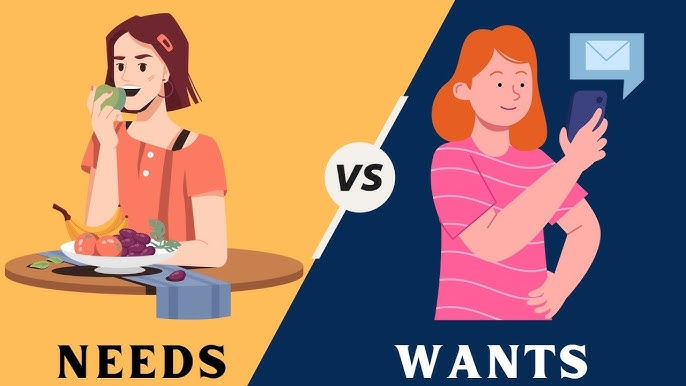
One of the most important financial skills is understanding the difference between wants and needs. Needs include essentials such as food, education, housing, healthcare, and transportation. Wants are things that may be enjoyable but are not necessary for survival or stability.
Modern advertising often makes people feel they constantly need new products to stay happy or successful. Students especially face social pressure to follow trends, buy expensive gadgets, or spend money to fit in socially.
Families may also feel pressure to maintain certain lifestyles even when it creates financial stress. Learning to prioritize important expenses over temporary desires helps create stronger financial habits.
This does not mean people should never enjoy themselves. It simply means making thoughtful choices and avoiding unnecessary spending that affects long-term financial security.
Building Small Savings Habits
Many people believe saving money only matters if they can save large amounts, but small savings are extremely powerful when practiced consistently. Even setting aside a small amount each week can grow over time.
Families can create savings jars, separate bank accounts, or monthly savings goals for emergencies or future plans. Students can save spare change, part-time income, or leftover money from monthly allowances.
Automatic savings systems can also help. When money is transferred directly into savings before spending begins, people are less likely to use it impulsively.
The habit of saving matters more than the amount initially. Developing financial discipline early creates stronger money management skills for the future.
Avoiding Unnecessary Debt
Debt can create long-term financial pressure if not managed carefully. Credit cards, online payment systems, and easy loan options sometimes encourage people to spend beyond their actual budget.
Students may be tempted to borrow money for non-essential purchases, while families may rely on credit for lifestyle expenses instead of emergencies. Over time, interest payments and debt stress can become difficult to manage.
Avoiding unnecessary borrowing helps maintain financial stability. If borrowing becomes necessary, it is important to plan repayment carefully and avoid taking on more debt than manageable.
Living within one’s means may require patience at times, but it creates healthier financial habits and reduces long-term stress.
Finding Affordable Entertainment
Saving money does not mean eliminating fun and enjoyment completely. Families and students can still enjoy life while choosing more affordable entertainment options.
Instead of expensive outings, families can enjoy movie nights at home, outdoor activities, local parks, or simple gatherings together. Students can spend time with friends through low-cost activities rather than constantly spending money on shopping or dining out.
Many enjoyable experiences do not require large expenses. Creative and meaningful moments often matter more than expensive entertainment.

Balancing enjoyment with financial responsibility helps people maintain healthier relationships with money while still enjoying life.
The Importance of Financial Education
Many people struggle financially simply because they were never taught practical money management skills. Financial education is important for both families and students because it helps people make smarter decisions about spending, saving, and planning for the future.
Learning basic financial skills such as budgeting, saving, comparing prices, and avoiding unnecessary debt can improve long-term financial stability significantly.
Parents who teach children about money management early help prepare them for adulthood. Students who learn financial discipline during their education years often build stronger financial habits later in life.
Understanding money creates confidence and reduces financial anxiety. It also encourages independence and long-term planning.
Using Technology Wisely to Save Money
Technology can either increase spending or help save money depending on how it is used. Shopping apps and advertisements often encourage unnecessary purchases, but digital tools can also improve financial management.
Budgeting apps, price comparison websites, discount platforms, and cashback offers can help people track spending and save money effectively. Students especially benefit from using digital resources for education instead of purchasing expensive materials unnecessarily.
Families can also compare prices online before buying household products or groceries. Smart use of technology helps reduce wasteful spending and improve financial awareness.
However, it is important to avoid excessive online shopping temptations and focus only on useful financial tools.
Building Long-Term Financial Stability
Saving money is not only about short-term benefits. Good financial habits create long-term stability and reduce stress over time. Families who manage money carefully often feel more secure during emergencies and future planning.
Students who develop strong saving habits early gain an important advantage in adulthood. Financial discipline learned during student life can lead to better budgeting, reduced debt, and stronger independence later.
Consistency is the key to long-term success. Small daily decisions often matter more than occasional large savings efforts. Choosing practical habits regularly creates lasting financial improvement over time.
FAQs
1.Why is saving money important for families and students?
Saving money provides financial security, reduces stress, and helps prepare for emergencies and future goals.
2.What is the easiest way to start saving money?
Creating a simple budget and tracking daily expenses is one of the easiest ways to begin saving money effectively.
3.How can students save money on a limited budget?
Students can save money by using discounts, buying second-hand books, cooking at home, and avoiding unnecessary spending.
4.Why do impulse purchases affect savings?
Impulse purchases increase unnecessary spending and reduce the amount of money available for important needs and future savings.
5.Can small savings really make a difference?
Yes, small amounts saved consistently over time can grow into significant savings and improve financial stability.