

The cost of living continues to affect households across the United Kingdom, and for many pensioners, winter can become one of the most financially stressful times of the year. Heating bills often rise sharply during colder months, making government support programs extremely important for older people living on fixed incomes. One of the most well-known support schemes is the Winter Fuel Payment, a benefit designed to help pensioners manage energy costs during winter.
In 2026, new discussions and rule changes surrounding the Winter Fuel Payment have attracted significant public attention. Many pensioners are trying to understand how the updated system works, who qualifies for support, and whether some individuals may have to repay part of the payment through tax adjustments or clawback rules. These changes have raised concerns among retirees, families, and advocacy groups who worry about affordability and financial stability during periods of rising energy prices.
Understanding the latest Winter Fuel Payment rules is important because even small policy changes can affect household budgets. Pensioners who stay informed are more likely to avoid confusion, manage their finances effectively, and ensure they receive the support they are entitled to. While the system may appear complicated at first, the main purpose remains the same: helping older citizens stay warm and financially secure during winter.
What Is the Winter Fuel Payment?
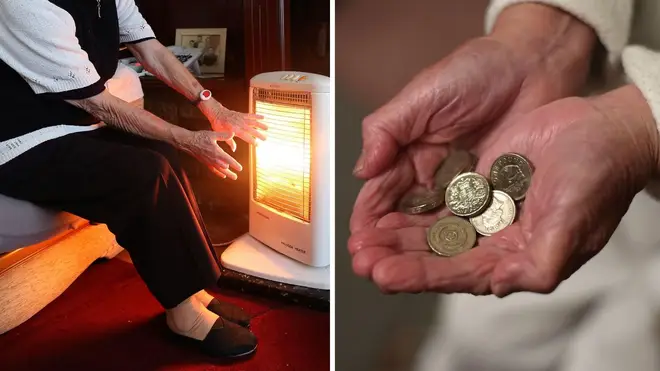
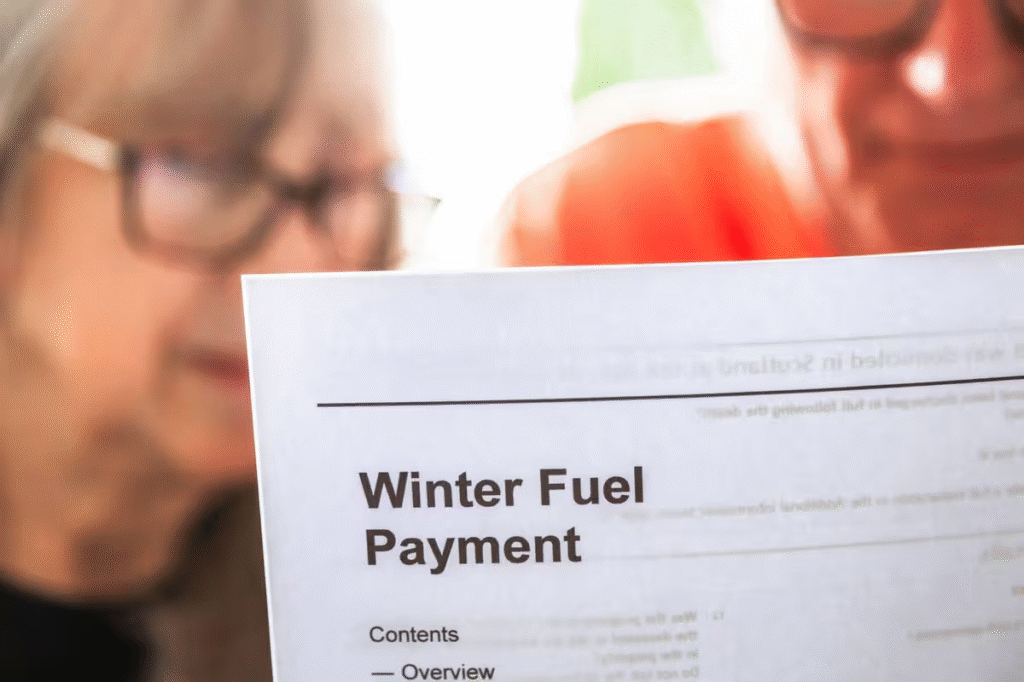
The Winter Fuel Payment is a government benefit available to older people in the UK to assist with heating costs during winter. It was introduced to help pensioners manage rising energy bills, particularly during periods of cold weather when heating becomes essential.
The payment is usually tax-free and is typically provided automatically to eligible pensioners. The amount people receive can vary depending on factors such as age, living arrangements, and eligibility criteria set by the government.
For many retirees, the Winter Fuel Payment plays an important role in reducing financial pressure during colder months. Heating expenses can become a major concern for pensioners who rely mainly on pensions or fixed retirement income. The support helps many households maintain comfortable living conditions without sacrificing other essential expenses.
Over the years, the Winter Fuel Payment has become one of the most widely recognized government assistance programs for older citizens.
Why the Rules Are Changing in 2026
The new Winter Fuel Payment discussions in 2026 are largely connected to economic pressures, government spending concerns, and ongoing debates about fairness in public support systems.
Energy costs have remained unpredictable in recent years, and governments are under pressure to balance public spending with financial sustainability. Policymakers are increasingly focusing on how benefits are distributed and whether support should be more targeted toward lower-income households.
One major issue involves the idea of clawbacks or repayment mechanisms for higher-income pensioners. Under these discussions, some retirees with larger incomes may receive the Winter Fuel Payment initially but later repay part or all of it through the tax system.
Supporters of these changes argue that financial assistance should focus more heavily on vulnerable pensioners who genuinely need help with heating costs. Critics, however, worry that introducing more complicated rules could create confusion and discourage eligible people from claiming support.
The 2026 updates reflect a broader trend in government policy where financial assistance programs are becoming more income-sensitive and targeted.
Understanding the Winter Fuel Payment Clawback
One of the biggest topics surrounding the 2026 changes is the possibility of a Winter Fuel Payment clawback system. The term “clawback” refers to the process of recovering government payments from individuals whose income exceeds certain thresholds.
Under proposed or discussed systems, pensioners may still receive Winter Fuel Payments upfront during winter. However, if their annual income is above a specified limit, some or all of the benefit could later be recovered through taxation or adjustments made by HM Revenue and Customs.
The goal behind this approach is to ensure that government support is directed toward pensioners who are more financially vulnerable while reducing unnecessary public spending on wealthier households.
For many pensioners, the idea of repayment creates uncertainty. Some retirees worry they could accidentally receive payments they later have to return. Others are concerned about complicated tax calculations or unexpected deductions.
While the system may seem confusing, governments often use clawback mechanisms in other financial support programs as well. The main challenge is ensuring the process remains transparent and easy for pensioners to understand.
How Pensioners Could Be Affected
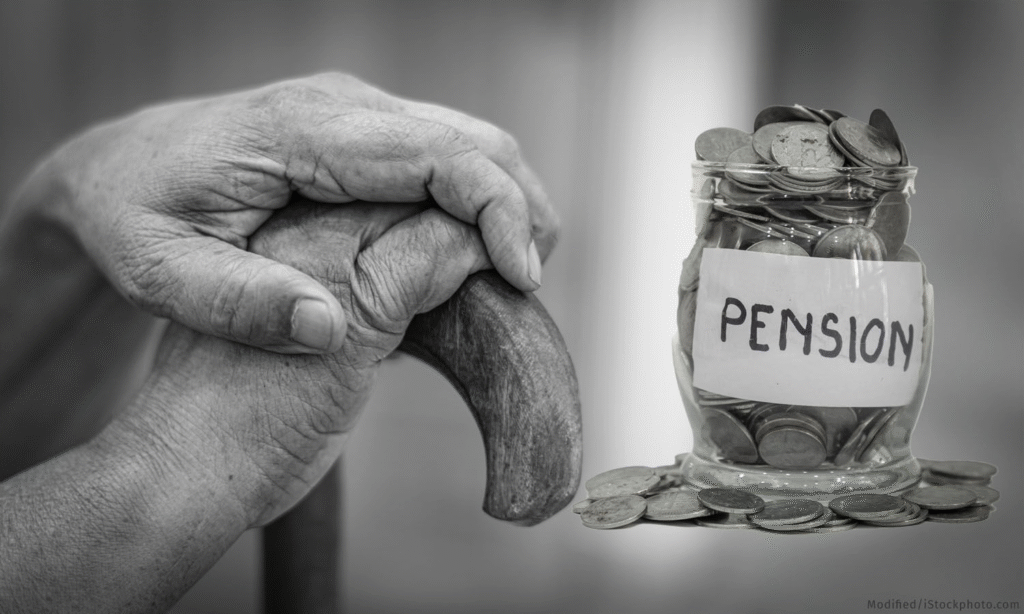
The impact of the new Winter Fuel Payment rules will likely vary depending on individual financial situations. Pensioners with lower or moderate incomes may continue receiving support without major changes. However, higher-income retirees could potentially face repayment obligations if clawback policies are fully implemented.
For some pensioners, this could influence retirement budgeting decisions. People may need to pay closer attention to taxable income, pension withdrawals, savings interest, or other earnings that affect overall financial calculations.
Couples living together may also experience different outcomes depending on household income levels and benefit eligibility rules. In some cases, one partner may qualify differently from another.
The emotional impact should not be ignored either. Many pensioners rely on financial certainty, especially during retirement. Sudden rule changes or unclear communication can create stress and anxiety, particularly for older individuals who may already feel overwhelmed by rising living costs.
Families often help elderly relatives understand government benefits, and many households are now paying closer attention to policy updates regarding winter financial support.
Rising Energy Costs and Financial Pressure
One reason the Winter Fuel Payment remains such an important topic is the continuing rise in household energy costs. Heating expenses have become a major concern for millions of people, especially pensioners who spend more time at home during colder months.
Older individuals are often more vulnerable to cold temperatures and may require heating for longer periods throughout the day. Cutting back on heating can negatively affect health and well-being, making financial support particularly important.
Many pensioners live on fixed incomes that do not always increase at the same pace as inflation or energy prices. Even relatively small increases in utility bills can create significant financial strain.
The Winter Fuel Payment helps reduce some of this pressure, but ongoing economic uncertainty means many pensioners are still concerned about affordability. The possibility of repayment rules adds another layer of complexity to financial planning.
As energy markets continue evolving, governments are likely to face increasing pressure to provide balanced and sustainable support systems for vulnerable households.
The Importance of Staying Informed
Government benefit systems can change regularly, which makes staying informed extremely important for pensioners and their families. Misunderstanding eligibility rules or tax implications can lead to confusion, delayed payments, or unexpected repayment obligations.
Pensioners should pay attention to official government announcements, pension updates, and tax guidance related to Winter Fuel Payments. Financial advisors and support organizations may also help explain how new rules could affect individual situations.
Many retirees are not fully comfortable navigating digital systems or complex financial language. Clear communication from government agencies becomes essential to ensure older people understand their rights and responsibilities.
Family members often play a key role in helping elderly relatives manage paperwork, understand eligibility, and organize financial information. Open discussions within families can help reduce uncertainty and improve financial preparedness.
Public Debate Around Fairness
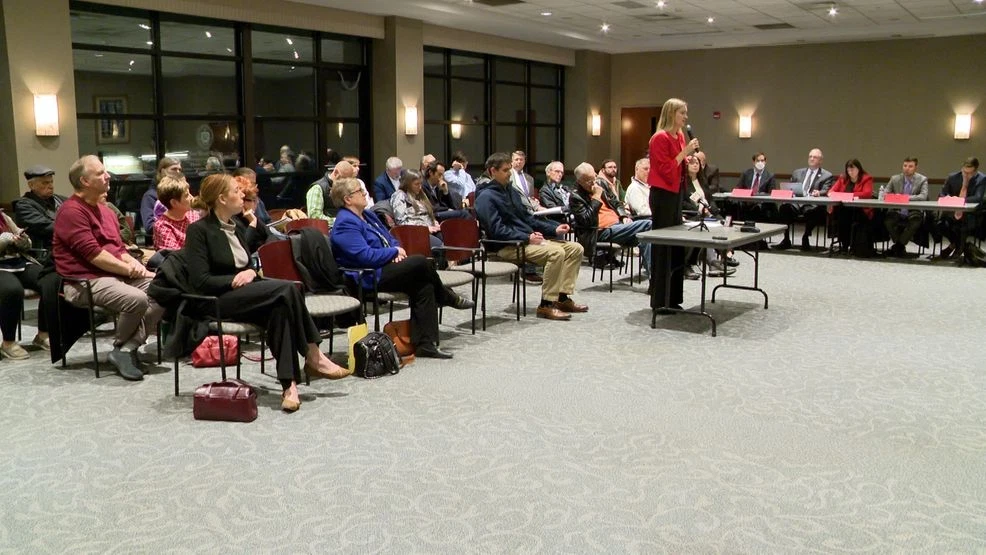
The Winter Fuel Payment changes have sparked significant public debate across the UK. Some people believe benefits should remain universal for pensioners because older citizens have contributed to society through taxes and work throughout their lives.
Others argue that support should focus more directly on pensioners with lower incomes who face greater financial hardship. From this perspective, recovering payments from wealthier retirees may seem reasonable and financially responsible.
Critics of clawback systems often worry about increased bureaucracy and administrative complexity. They argue that complicated rules can confuse pensioners and create unnecessary stress.
There are also concerns about fairness in defining income thresholds. Some pensioners may appear financially comfortable on paper while still facing high living costs, medical expenses, or family responsibilities.
The debate highlights broader questions about how governments should distribute financial support during periods of economic uncertainty and rising living costs.
The Winter Fuel Payment changes have sparked significant public debate across the UK. Some people believe benefits should remain universal for pensioners because older citizens have contributed to society through taxes and work throughout their lives.
Others argue that support should focus more directly on pensioners with lower incomes who face greater financial hardship. From this perspective, recovering payments from wealthier retirees may seem reasonable and financially responsible.
Critics of clawback systems often worry about increased bureaucracy and administrative complexity. They argue that complicated rules can confuse pensioners and create unnecessary stress.
There are also concerns about fairness in defining income thresholds. Some pensioners may appear financially comfortable on paper while still facing high living costs, medical expenses, or family responsibilities.
The debate highlights broader questions about how governments should distribute financial support during periods of economic uncertainty and rising living costs.
How Technology Is Changing Benefit Management
Modern technology is also influencing how government benefits are managed and distributed. Digital tax systems, automated payment tracking, and online government portals are becoming increasingly common.
These systems can improve efficiency and reduce administrative costs. Governments may use digital data to assess eligibility, calculate income levels, and process repayments more accurately.
However, digital transformation also creates challenges for some older citizens. Many pensioners are less familiar with online systems and may struggle with digital forms, account verification, or electronic communication.
Support services and accessible guidance become extremely important during these transitions. Governments and financial organizations often need to provide additional help for individuals who are less comfortable using technology.
Despite these challenges, digital systems are likely to remain central to future benefit management and tax administration.
Financial Planning for Pensioners in 2026
The new Winter Fuel Payment rules remind many retirees of the importance of financial planning during retirement. Pensioners increasingly need to monitor expenses, understand tax obligations, and stay updated about government support programs.
Budgeting carefully for winter energy costs may become more important as policies continue evolving. Some households are also exploring energy-efficient home improvements, insulation upgrades, or smart heating systems to reduce long-term utility expenses.
Professional financial advice may help some retirees understand how benefit rules interact with pensions, savings, investments, and taxable income. Planning ahead can reduce surprises and improve financial stability.
Retirement today often requires more active financial management than previous generations experienced. Economic uncertainty, inflation, and policy changes make long-term planning increasingly important for older households.
The Future of Pensioner Support Programs
The future of pensioner support programs will likely continue evolving as governments respond to changing economic conditions and demographic trends. Aging populations, rising healthcare costs, and energy market uncertainty are creating pressure on public finances in many countries.
Future support systems may become more targeted, data-driven, and income-sensitive. Governments are increasingly trying to balance financial sustainability with social protection for vulnerable citizens.
At the same time, pensioners remain an important part of society, and public pressure to maintain adequate support is unlikely to disappear. Cold weather, rising living costs, and healthcare concerns make winter assistance programs highly important for millions of households.
The challenge for policymakers will be creating systems that are fair, transparent, and easy to understand while still protecting public finances.
FAQs
1.What is the Winter Fuel Payment?
The Winter Fuel Payment is a UK government benefit designed to help older people manage heating costs during winter months.
2.Who qualifies for the Winter Fuel Payment?
Eligibility is usually based on age, residency status, and other government criteria related to pension age and living arrangements.
3.What does “clawback” mean in relation to Winter Fuel Payments?
A clawback refers to the process of recovering some or all of the payment from higher-income pensioners through the tax system.
4.Why are Winter Fuel Payment rules changing in 2026?
The changes are linked to government spending concerns, rising energy costs, and efforts to target financial support more effectively.
5.Will all pensioners have to repay their Winter Fuel Payment?
No, repayment discussions generally focus on pensioners whose income exceeds certain thresholds set by the government.
Bershka: Discover Trendy Women’s Fashion & Modern Style
Fashion is more than just wearing clothes. It is a way to express your personality,…

Money-Saving Tips: Easy Ways to Save More Every Month
Money has a quiet, sneaky way of vanishing. You start the month with a fresh…

Garba Look Ideas 2026: Navratri Styles & Special Offers
Nothing beats that electric feeling when the first dhol beat hits on a crisp autumn…