
Shopping has become easier than ever before. With just a few clicks, people can buy almost anything online and have it delivered directly to their homes. While this convenience saves time, it can also lead to overspending if shoppers are not careful. Prices for the same product often vary across different websites, stores, and platforms, sometimes by a surprisingly large amount. This is why price comparison has become one of the smartest ways to save money on everyday purchases.
Many people assume they are getting the best deal simply because an item is on sale or advertised as discounted. However, smart shoppers understand that the lowest advertised price is not always the best value. Hidden costs, shipping fees, product quality, and seller reliability all play an important role when comparing prices.
Learning how to compare prices properly can help people avoid overspending while still buying quality products. Whether shopping for electronics, fashion, groceries, home essentials, or travel bookings, price comparison strategies can make a significant difference in long-term savings. In today’s economy, where prices constantly change, becoming a more informed shopper is one of the easiest ways to protect your budget without sacrificing the things you enjoy.
Why Price Comparison Matters More Than Ever

The online shopping world is highly competitive. Different retailers often sell identical products at different prices because of varying promotions, demand levels, inventory costs, and marketing strategies. Some websites increase prices during high-demand periods, while others offer temporary discounts to attract customers.
Without comparing prices, many shoppers end up paying far more than necessary. Small differences may not seem important at first, but over time they add up significantly. Saving even a modest amount on regular purchases can lead to substantial financial benefits over the course of a year.
Price comparison is not only about spending less money. It also helps shoppers make smarter purchasing decisions. By researching products carefully, people become more aware of quality, customer reviews, warranties, return policies, and overall value. This reduces the risk of buyer’s remorse and impulsive spending.
Smart shopping habits also encourage better financial discipline. Instead of making emotional purchases based on advertisements or urgency, shoppers learn to think critically before buying.
Understanding the Difference Between Cheap and Valuable
One of the biggest mistakes shoppers make is focusing only on the lowest price. A product may appear cheaper initially but end up costing more in the long run if it has poor quality or needs frequent replacement.
True value comes from balancing price, durability, quality, and usefulness. Sometimes spending slightly more on a reliable product actually saves money over time because it lasts longer and performs better.
For example, a low-cost pair of shoes may wear out quickly, requiring replacement after a few months. A better-quality pair with a slightly higher price might last for years, making it the smarter financial decision overall.
Price comparison should therefore involve evaluating overall value rather than simply choosing the cheapest option available. Reading reviews, checking material quality, researching brands, and understanding warranties all contribute to smarter purchasing decisions.
Research Before Making Purchases
One of the easiest ways to save money is by avoiding rushed buying decisions. Many people make impulse purchases because of limited-time offers, flashy advertisements, or emotional excitement. Unfortunately, impulsive shopping often leads to overspending.
Taking time to research products before buying can prevent unnecessary spending. Looking at multiple retailers, reading customer feedback, and understanding price history helps shoppers determine whether a product is truly worth purchasing.
Research also helps identify fake discounts. Some stores increase original prices before offering “sales,” making discounts appear larger than they actually are. Comparing prices across different websites quickly reveals whether a deal is genuinely good.
Patience is one of the most powerful tools for saving money. Delaying purchases for even a day or two can reduce impulsive spending and allow time for better price comparisons.
Using Price Comparison Websites and Apps
Technology has made price comparison easier than ever. Many websites and apps allow shoppers to compare prices instantly across multiple retailers. These tools save time while helping consumers find better deals.
Price comparison platforms can also track product prices over time and notify users when prices drop. This is especially useful for expensive items like electronics, appliances, or travel bookings where prices fluctuate regularly.
Some apps also display customer reviews, seller ratings, shipping costs, and discount offers in one place, making it easier to evaluate the overall value of a purchase.
However, shoppers should still verify information carefully because some comparison platforms may prioritize sponsored listings. Checking multiple sources ensures more accurate results and prevents misleading pricing.
Timing Your Purchases Strategically

Timing plays a major role in saving money. Prices for many products change throughout the year based on demand, seasonal trends, and major sales events.
Electronics often become cheaper during large online shopping events and holiday sales. Clothing prices typically drop at the end of each season when retailers clear inventory for new collections. Travel prices may fluctuate depending on booking dates and seasonal demand.
Understanding these patterns allows shoppers to buy products at the right time instead of paying peak prices. Planning ahead can lead to major savings, especially for large purchases.
Many experienced shoppers also use price tracking tools to monitor products they want. Instead of buying immediately, they wait for price drops or promotional offers before making a purchase.
Looking Beyond the Product Price
The listed product price is not always the final cost. Shipping fees, taxes, service charges, and hidden costs can significantly increase the total amount paid.
Some retailers advertise lower prices but charge expensive shipping fees later during checkout. Others may offer free shipping but slightly higher product prices. Comparing the final total cost is essential when evaluating deals.
Return policies and warranty coverage should also be considered. A slightly more expensive product from a trusted retailer with easy returns may provide better overall value than a cheaper item from an unreliable seller.
Smart shoppers pay attention to the complete purchasing experience rather than focusing only on the displayed price.
The Power of Coupons and Discount Codes
Coupons and promotional codes remain one of the simplest ways to reduce shopping costs. Many online retailers regularly offer discounts through newsletters, seasonal promotions, or loyalty programs.
Before completing purchases, checking for available coupon codes can often lead to immediate savings. Even small discounts become valuable over time, especially for frequent shoppers.
Some browser extensions automatically search for and apply coupon codes during checkout, making the process more convenient. Cashback offers and rewards programs can also provide additional savings after purchases are completed.
However, shoppers should avoid buying unnecessary products simply because discounts are available. The goal of smart shopping is saving money, not spending more because of promotions.
Comparing Brands Carefully
Brand reputation often influences pricing significantly. Well-known brands may charge higher prices because of marketing, popularity, or perceived status. While some premium brands offer excellent quality, higher prices do not always guarantee better products.
Comparing lesser-known alternatives can sometimes reveal products with similar quality at lower prices. Reading customer reviews and researching product specifications helps shoppers evaluate whether a premium brand is truly worth the extra cost.
At the same time, some cheaper brands may compromise heavily on durability or customer service. Finding the right balance between quality and affordability is key.
Brand loyalty can be helpful in some situations, but blindly purchasing products based only on brand names often leads to unnecessary spending.
Avoiding Emotional Spending Habits
Emotional shopping is one of the biggest obstacles to saving money. Many people shop when they feel stressed, bored, sad, or even excited. Retailers understand this behavior and often use psychological marketing techniques to encourage impulsive purchases.
Limited-time offers, countdown timers, and “only a few left” messages are designed to create urgency. While some deals are genuine, many are intended to pressure shoppers into making quick decisions.
Practicing mindful shopping can help reduce emotional spending. Asking yourself whether you truly need a product before purchasing creates healthier financial habits.
Creating shopping lists and setting budgets before browsing online stores also helps maintain control over spending decisions.

Reading Customer Reviews Before Buying
Customer reviews provide valuable insights that price tags alone cannot reveal. Reviews help shoppers understand product quality, durability, sizing accuracy, performance, and reliability.
A product with a slightly higher price but excellent reviews may provide far better value than a cheaper item with consistent complaints. Reviews also help identify common issues that marketing descriptions may not mention.
However, it is important to read reviews carefully because fake reviews exist on many online platforms. Looking for detailed and balanced feedback often provides more reliable information.
Video reviews and independent review websites can also help shoppers make more informed purchasing decisions.
The Benefits of Buying Only What You Need
One of the smartest price comparison strategies is learning to separate needs from wants. Marketing constantly encourages people to buy more than necessary, creating clutter and financial stress.
Carefully evaluating purchases helps prevent unnecessary spending. Before buying something, it is useful to consider whether the item will provide long-term value or simply temporary excitement.
Minimalist shopping habits often lead to better financial wellness because people focus more on quality and usefulness rather than quantity.
Buying fewer but more valuable products can improve both personal finances and overall satisfaction with purchases.
Comparing Prices for Everyday Essentials
Price comparison is not only useful for expensive products. Comparing prices for groceries, household items, personal care products, and subscriptions can also create significant long-term savings.
Small daily purchases may seem insignificant individually, but they often represent a large portion of monthly expenses. Comparing prices regularly helps identify more affordable options without sacrificing quality.
Bulk buying, store memberships, and subscription discounts can sometimes reduce costs further when used wisely. However, purchasing in bulk only makes sense if products will actually be used before expiring.
Smart shoppers remain aware of spending patterns and continuously look for opportunities to reduce unnecessary costs.
Building Long-Term Smart Shopping Habits
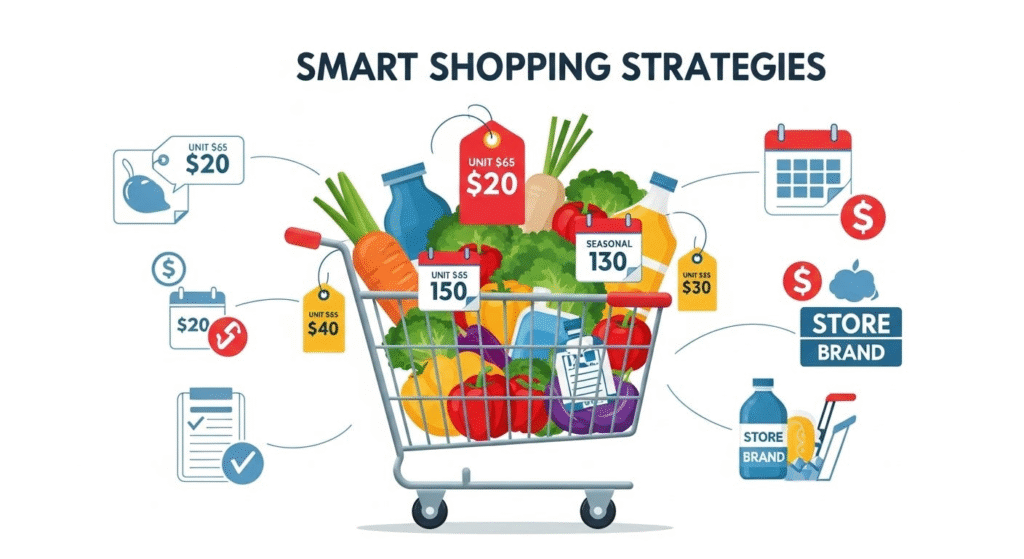

Price comparison becomes more effective when it develops into a regular habit rather than an occasional activity. Over time, smart shoppers naturally become better at identifying good deals, recognizing marketing tricks, and understanding product value.
Financial awareness grows stronger when people stop viewing shopping as entertainment and start treating it as a thoughtful decision-making process.
The goal is not to avoid spending money entirely but to spend more intentionally. Thoughtful shopping habits create greater financial freedom, reduce stress, and allow people to enjoy purchases without guilt or regret.
Saving money on every purchase does not require extreme budgeting or constant sacrifice. Often, it simply involves slowing down, researching carefully, and making informed decisions before clicking the buy button.
FAQs
1.What is price comparison?
Price comparison is the process of checking prices for the same product across different retailers to find the best value and save money.
2.Why is price comparison important?
Price comparison helps shoppers avoid overpaying, find better deals, and make smarter purchasing decisions based on value and quality.
3.Do cheaper products always save money?
No, cheaper products may have lower quality and require frequent replacement, which can cost more over time.
4.How can I compare prices effectively?
You can compare prices by researching multiple websites, checking reviews, considering shipping costs, and using price comparison tools.
5.Are online price comparison websites reliable?
Many are helpful, but shoppers should still verify prices and reviews across multiple sources for accuracy.