

Money plays a significant role in our lives. It provides security, creates opportunities, and helps us achieve both short-term and long-term goals. However, many people struggle with managing their finances effectively. Rising living costs, unexpected expenses, and lifestyle inflation can make it difficult to save money and build lasting wealth. The good news is that financial success is not reserved for high-income earners. Anyone can improve their financial future by developing smart money habits, making informed decisions, and staying committed to long-term goals.
Saving money and building wealth are closely connected, but they are not the same thing. Saving money focuses on setting aside funds for future use, while building wealth involves growing those savings through investments, smart financial planning, and consistent financial discipline. Together, these practices create a strong foundation for financial freedom and long-term stability.
This guide explores practical strategies for saving money, increasing financial security, and building wealth that can support your future goals and aspirations.
Understanding the Importance of Financial Stability
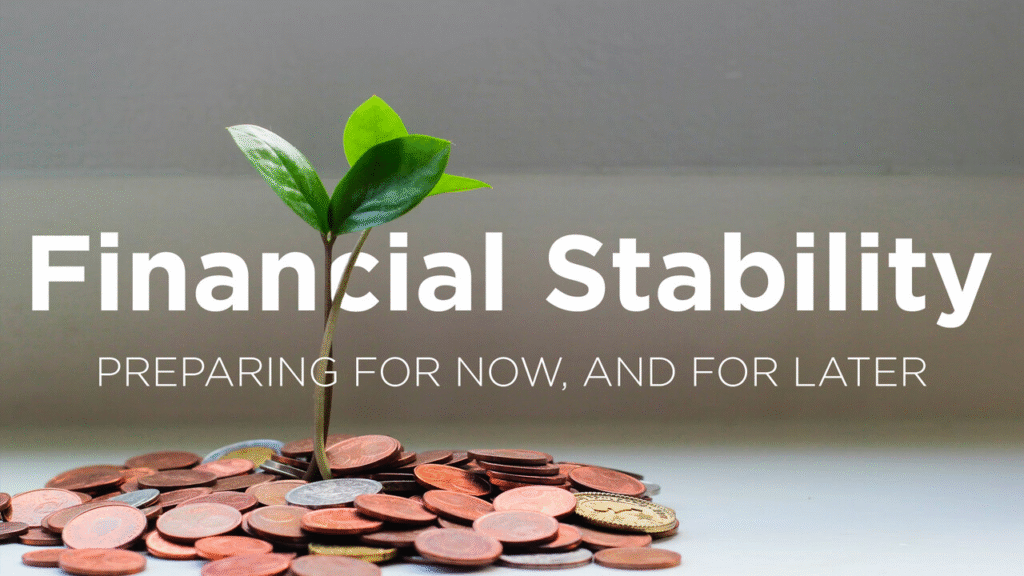
Financial stability is about more than simply having money in the bank. It involves feeling confident in your ability to meet your financial obligations, handle unexpected expenses, and work toward future goals without constant stress.
Many people experience financial anxiety because they live paycheck to paycheck. In this situation, even a small emergency can create significant challenges. Building financial stability begins with developing a healthy relationship with money and understanding where your income is going.
When you have financial stability, you gain more control over your life. You can make decisions based on your goals and values rather than reacting to immediate financial pressures. This sense of control often leads to reduced stress and greater overall well-being.
Creating financial stability requires patience and consistency, but the rewards can last a lifetime.
Developing a Money-Saving Mindset
One of the most important aspects of saving money is mindset. Financial success often begins with the way people think about money and spending.
Many individuals view saving money as a sacrifice. They focus on what they cannot buy rather than the opportunities created by financial discipline. However, a money-saving mindset involves understanding that every dollar saved today can contribute to greater freedom and security in the future.
Changing financial habits starts with awareness. Paying attention to spending patterns can reveal areas where money is being wasted without adding meaningful value. Small daily expenses may seem insignificant, but they often accumulate into substantial amounts over time.
Developing a positive attitude toward saving money makes it easier to remain committed to financial goals. Instead of viewing saving as deprivation, it becomes an investment in future possibilities.
Creating a Budget That Works
A budget is one of the most effective tools for managing money. Despite common misconceptions, budgeting is not about restricting enjoyment. Instead, it helps ensure that your money is being used intentionally.
A well-designed budget provides a clear picture of income, expenses, and financial priorities. It allows you to identify unnecessary spending and allocate resources toward savings, debt reduction, and future goals.
The most successful budgets are realistic and flexible. Extremely restrictive budgets often fail because they are difficult to maintain. A sustainable budget accounts for essential expenses while also allowing room for entertainment, hobbies, and personal enjoyment.
Consistency is more important than perfection. Regularly reviewing and adjusting your budget helps ensure that it continues to align with your financial circumstances and objectives.
Building an Emergency Fund

An emergency fund is one of the most important components of financial security. Life is unpredictable, and unexpected expenses can arise at any time. Medical bills, car repairs, job loss, or home maintenance issues can create significant financial stress if you are unprepared.
An emergency fund acts as a financial safety net. It provides access to cash when unexpected situations occur, reducing the need to rely on credit cards or loans.
Building an emergency fund takes time, but even small contributions can make a difference. Setting aside a portion of each paycheck gradually creates a reserve that can protect you during difficult times.
Knowing that you have emergency savings available provides peace of mind and strengthens overall financial confidence.
Reducing Unnecessary Expenses
One of the fastest ways to increase savings is by reducing unnecessary expenses. This does not mean eliminating all enjoyment from life. Instead, it involves making intentional choices about where your money goes.
Many people are surprised when they examine their spending habits closely. Subscription services, impulse purchases, frequent dining out, and unused memberships can quietly consume a significant portion of monthly income.
Identifying these expenses creates opportunities to redirect money toward savings and investments. Small adjustments often produce meaningful results over time. Spending less on things that do not truly matter can create more financial flexibility for things that do.
Financial success is not necessarily about earning more money. In many cases, it is about managing existing income more effectively.
The Power of Consistent Saving
Saving money consistently is more important than saving large amounts occasionally. Many people delay saving because they believe they need substantial income to make progress. In reality, consistency is often the key to success.
Even modest savings contributions can grow significantly over time. Establishing a habit of regular saving creates momentum and reinforces positive financial behavior.
Automatic transfers can make saving easier by removing the need for constant decision-making. When savings occur automatically, individuals are less likely to spend money that should be reserved for future goals.
Over time, consistent saving builds financial confidence and creates opportunities for wealth accumulation.
Understanding Wealth Building

Saving money is an essential first step, but wealth building requires a broader strategy. Wealth is created when money grows through investments, assets, and long-term financial planning.
Many people mistakenly believe wealth building is only for the wealthy. However, wealth accumulation is accessible to individuals across a wide range of income levels. The key is understanding how money can work on your behalf over time.
Building wealth involves making informed financial decisions that increase net worth. This may include investing in stocks, mutual funds, retirement accounts, real estate, or other appreciating assets.
The earlier someone begins building wealth, the greater the potential benefits due to the power of long-term growth.
The Importance of Investing
Investing plays a crucial role in wealth creation. While savings accounts provide security and accessibility, investments offer opportunities for long-term growth.
Money kept solely in traditional savings accounts may struggle to keep pace with inflation over time. Investing allows funds to grow through market appreciation, dividends, and compound returns.
Many beginners feel intimidated by investing because it seems complex. However, modern investment platforms have made investing more accessible than ever before. Learning basic investment principles can help individuals make informed decisions and avoid common mistakes.
Successful investing often focuses on patience and consistency rather than attempting to predict short-term market movements. Long-term investors frequently benefit from allowing their investments time to grow.
Harnessing the Power of Compound Growth
One of the most powerful concepts in wealth building is compound growth. Compounding occurs when earnings generate additional earnings over time.
As investments grow, returns begin generating their own returns. This creates a snowball effect that can significantly increase wealth over long periods.
The impact of compounding becomes more dramatic as time passes. Individuals who begin saving and investing early often benefit from decades of compound growth, which can substantially increase their financial resources.
Understanding the power of compounding highlights the importance of starting as soon as possible, even if initial contributions are relatively small.
Avoiding Lifestyle Inflation
Lifestyle inflation occurs when spending increases as income rises. While earning more money is beneficial, increasing expenses at the same rate can limit financial progress.
Many people receive raises or promotions but fail to improve their financial position because additional income is immediately spent on a more expensive lifestyle. As a result, they remain financially stagnant despite earning more.
Avoiding lifestyle inflation involves maintaining reasonable spending habits while directing a portion of income increases toward savings and investments. This approach allows financial resources to grow over time rather than being consumed by unnecessary expenses.
Successful wealth builders often prioritize long-term financial goals over short-term lifestyle upgrades.
Setting Clear Financial Goals
Financial goals provide direction and motivation. Without clear objectives, it can be difficult to remain focused on saving and wealth-building efforts.
Goals may include purchasing a home, funding education, starting a business, achieving early retirement, or creating financial security for family members. Defining these objectives helps guide financial decisions and encourages consistent progress.
Effective financial goals are specific, measurable, and realistic. Breaking larger goals into smaller milestones can make them feel more achievable and maintain motivation along the way.
Regularly reviewing financial goals helps ensure they remain relevant and aligned with changing circumstances.
Developing Long-Term Financial Discipline
Building wealth is not a quick process. It requires patience, persistence, and disciplined decision-making over many years.
Financial discipline involves making choices that support long-term objectives even when short-term temptations arise. This may include maintaining a budget, avoiding unnecessary debt, saving consistently, and continuing to invest during market fluctuations.
Discipline does not mean perfection. Everyone makes financial mistakes from time to time. What matters most is learning from those experiences and continuing to move forward.

Long-term financial success is often the result of small positive actions repeated consistently over many years.
Protecting Your Financial Future
As wealth grows, protecting financial assets becomes increasingly important. Insurance, estate planning, and risk management help safeguard financial progress from unexpected events.
Financial protection ensures that years of hard work and disciplined saving are not undermined by unforeseen circumstances. Reviewing insurance coverage, maintaining emergency savings, and planning for the future can strengthen overall financial security.
Protecting wealth is just as important as building it. Together, these strategies create a comprehensive approach to financial success.
Frequently Asked Questions
1.What is the difference between saving money and building wealth?
Saving money involves setting aside funds for future use, while building wealth focuses on growing financial assets through investments, long-term planning, and strategic financial decisions.
2.How much money should I save each month?
The ideal amount depends on your income, expenses, and goals. Many financial experts recommend saving a portion of every paycheck consistently, even if the amount is small.
3.Why is an emergency fund important?
An emergency fund provides financial protection during unexpected situations such as medical expenses, job loss, or major repairs, helping you avoid debt and financial stress.
4.Can I build wealth with a moderate income?
Yes. Wealth building is based on consistent saving, investing, and smart financial habits rather than income alone. Many successful investors started with modest earnings.
5.What is compound growth?
Compound growth occurs when investment earnings generate additional earnings over time, creating exponential growth and increasing long-term wealth potential.