

Social Security has long been considered one of the most important financial safety nets in the United States. For millions of retirees, disabled workers, and surviving family members, monthly Social Security benefits provide a reliable source of income that helps cover everyday expenses. However, over the past several years, growing concerns about the future of Social Security have sparked widespread debate. Headlines warning that Social Security could “run out of money” have left many Americans wondering whether the program will still exist when they retire.
The reality is more complex than many of the alarming headlines suggest. Social Security is not expected to disappear entirely, but it is facing significant financial challenges that policymakers will need to address. Understanding what is happening with the Social Security Trust Fund, why the system is under pressure, and what potential solutions exist can help Americans make informed decisions about their retirement planning.
What Is Social Security and How Does It Work?
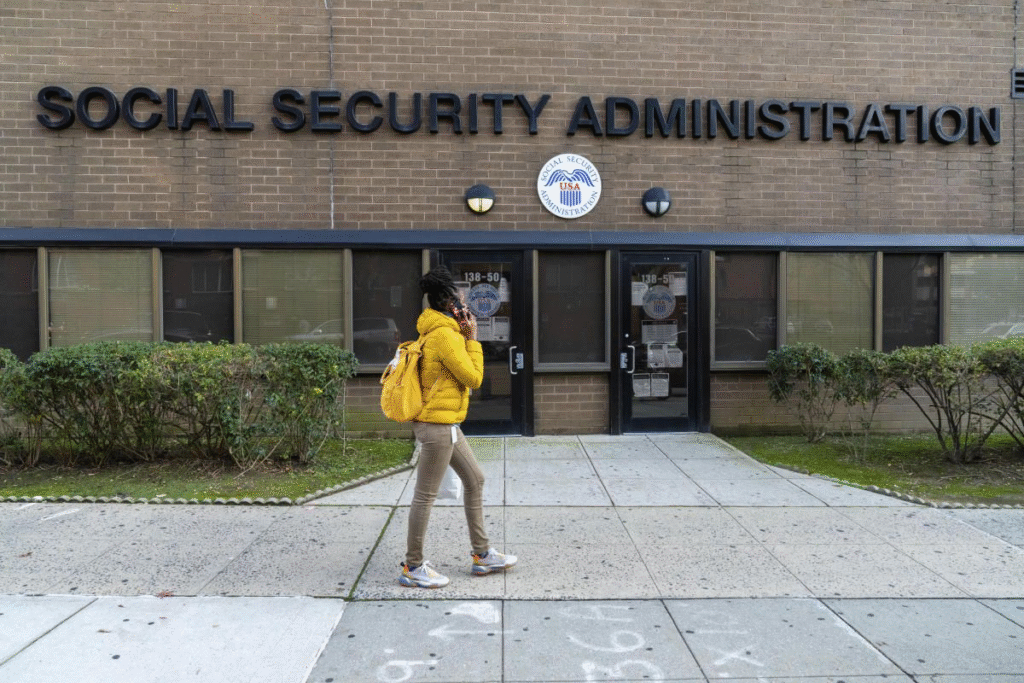
Social Security was established in 1935 during the Great Depression as part of a broader effort to provide economic security for older Americans. Since then, the program has expanded to include benefits for disabled workers and survivors of deceased workers.
The system is primarily funded through payroll taxes collected from workers and employers. Most employees contribute a percentage of their wages through Social Security taxes, while employers match those contributions. Self-employed individuals pay both portions.
Unlike a traditional savings account where each worker’s contributions are stored separately, Social Security operates largely on a pay-as-you-go basis. This means that taxes collected from today’s workers are used to pay benefits to current retirees and beneficiaries. When payroll tax revenue exceeds benefit payments, the surplus is deposited into trust funds. When benefit payments exceed incoming revenue, money is withdrawn from those trust funds to cover the difference.
For decades, this system worked effectively because there were many more workers contributing to the program than beneficiaries receiving payments. However, demographic changes have gradually altered that balance.
Understanding the Social Security Trust Fund
The Social Security Trust Fund consists of two separate funds: the Old-Age and Survivors Insurance Trust Fund and the Disability Insurance Trust Fund. Together, they serve as financial reserves that help ensure benefits can continue even when annual tax revenues fall short of obligations.
These trust funds accumulated significant reserves during periods when payroll tax collections exceeded benefit payments. For many years, policymakers anticipated the retirement of the Baby Boomer generation and intentionally built up these reserves to help support future beneficiaries.
However, as more Americans reach retirement age and life expectancy continues to increase, the trust funds have begun paying out more money than they receive in payroll taxes. As a result, reserves have gradually declined.
This situation has led to growing concerns about trust fund depletion and the long-term sustainability of the Social Security system.
Why Is Social Security Facing a Financial Crisis?
Several factors have contributed to the financial pressures facing Social Security today.
One of the biggest reasons is demographic change. The Baby Boomer generation, one of the largest generations in American history, is now entering retirement. As millions of people leave the workforce and begin collecting benefits, the number of beneficiaries continues to rise.
At the same time, birth rates have declined significantly compared to previous decades. Fewer workers are entering the labor force relative to the number of retirees. This creates an imbalance because fewer payroll tax contributors are supporting a growing number of beneficiaries.
Another important factor is increasing life expectancy. Americans are living longer than previous generations, which means retirees often collect Social Security benefits for many more years than policymakers originally anticipated.
Economic factors also play a role. Wage growth, labor force participation, and broader economic conditions influence payroll tax revenue. Periods of economic slowdown can reduce tax collections and place additional pressure on the system.
Together, these trends have created a situation where Social Security expenses are rising faster than revenues.
Will Social Security Actually Run Out of Money?
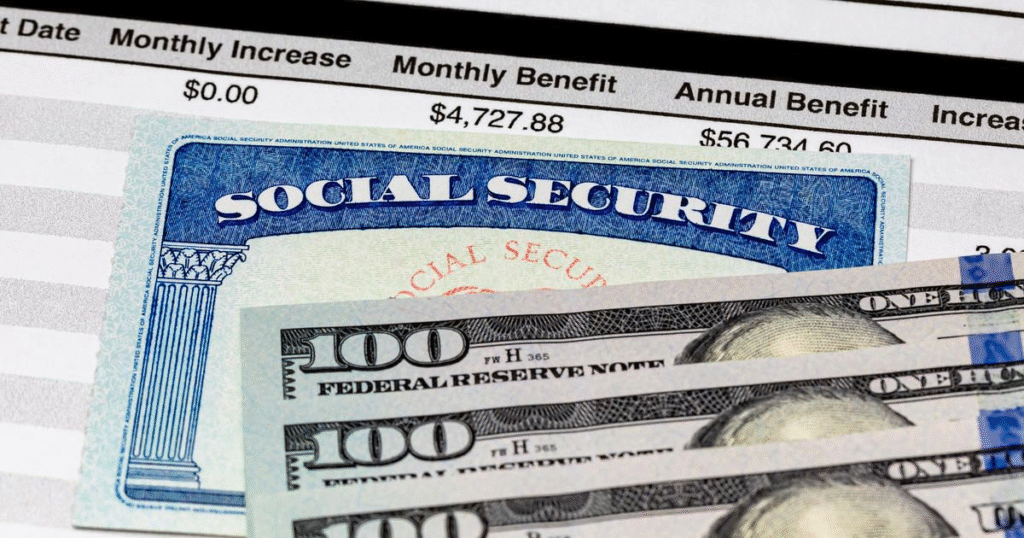
One of the most common misconceptions is that Social Security will completely run out of money and stop paying benefits altogether.
That is not what current projections indicate.
Even if the trust funds become depleted, payroll taxes would continue to be collected from workers across the country. Those tax revenues would still provide substantial funding for the program.
The real concern is that without legislative changes, incoming payroll tax revenue may only be sufficient to cover a portion of scheduled benefits. This could result in automatic benefit reductions unless Congress takes action.
In other words, Social Security is not expected to disappear. The challenge is maintaining full benefit payments in the future.
Experts generally agree that lawmakers have time to address the issue, but the longer reforms are delayed, the more significant those changes may need to be.
What Happens If the Trust Fund Is Depleted?
If the trust funds reach depletion without reforms, Social Security would continue operating but would rely solely on incoming payroll tax revenue.
This scenario could create funding gaps that force reductions in benefits. Depending on economic conditions and future projections, beneficiaries could receive a lower percentage of their scheduled payments.
For retirees who depend heavily on Social Security income, even modest reductions could create financial hardship. Many older Americans rely on Social Security as their primary source of retirement income, making benefit stability extremely important.
The possibility of future reductions is one reason why policymakers, economists, and advocacy groups continue discussing reforms designed to strengthen the system.
How Would Benefit Reductions Affect Retirees?
For many households, Social Security provides a financial foundation during retirement. While some retirees have pensions, investment portfolios, or other income sources, millions depend on Social Security to cover basic living expenses.
Reduced benefits could affect retirees’ ability to pay for housing, healthcare, food, transportation, and other necessities. Lower-income retirees would likely face the greatest challenges because they often have fewer alternative sources of income.
Younger workers could also feel the impact. Concerns about future benefit levels may influence retirement planning decisions, savings habits, and career choices.
The uncertainty surrounding Social Security’s future has already encouraged many financial advisors to recommend diversified retirement strategies that do not rely exclusively on government benefits.
Possible Solutions to the Social Security Crisis
The good news is that Social Security’s financial challenges are not considered impossible to solve. Numerous proposals have been discussed by policymakers, economists, and advocacy groups.
One common proposal involves increasing payroll taxes. Even relatively small adjustments could generate substantial additional revenue over time. Supporters argue that higher contributions could help preserve benefits for future generations.
Another option involves raising or eliminating the taxable wage cap. Currently, Social Security taxes only apply to earnings up to a certain annual limit. Increasing that threshold could bring additional revenue into the system.

Some policymakers support gradually increasing the full retirement age. Since Americans are living longer, supporters argue that adjusting retirement ages could better reflect modern life expectancy trends.
Benefit formula changes have also been proposed. These adjustments could slow benefit growth for higher-income earners while protecting lower-income beneficiaries.
Immigration reform, workforce participation initiatives, and policies designed to encourage economic growth may also contribute to improved financial sustainability.
Each proposal has supporters and critics, making political consensus challenging. Nevertheless, experts generally agree that a combination of reforms could significantly improve Social Security’s long-term outlook.
Why Congress Has Not Yet Solved the Problem
Many Americans wonder why lawmakers have not already implemented a solution.
One reason is that Social Security reform involves difficult political choices. Changes often affect taxes, benefits, retirement ages, or a combination of all three. Because Social Security impacts nearly every American family, policymakers must balance competing interests and priorities.
Additionally, projections extend decades into the future. While the financial challenge is serious, the gradual nature of the problem can make it easier for political leaders to postpone action.
Historically, Congress has addressed Social Security funding concerns before crises became unmanageable. Major reforms enacted in the 1980s significantly strengthened the system for several decades.
Many experts believe future reforms are likely, although the specific details remain uncertain.
What Younger Workers Should Know
Younger workers often hear predictions that Social Security will not exist when they retire. While concerns about funding are understandable, most experts do not believe the program will disappear entirely.
Social Security remains deeply embedded within the American social safety net. The program serves millions of people and enjoys broad public support across political lines.
However, younger workers should recognize that future reforms could alter benefit formulas, retirement ages, or tax structures. As a result, relying exclusively on Social Security for retirement income may not be the most prudent strategy.
Building personal savings through retirement accounts, employer-sponsored plans, and long-term investments can provide additional financial security regardless of future policy changes.
The Importance of Retirement Planning

The ongoing discussion surrounding Social Security highlights the importance of proactive retirement planning.
While Social Security will likely remain a significant source of retirement income for many Americans, financial experts consistently recommend developing multiple income streams. Savings accounts, investment portfolios, pensions, real estate income, and other assets can help reduce dependence on any single source of retirement funding.
Starting early offers significant advantages because compound growth can dramatically increase long-term savings. Even modest contributions made consistently over time can create substantial retirement resources.
Individuals approaching retirement may also benefit from reviewing their expected Social Security benefits, estimated expenses, and broader financial goals.
Planning ahead provides greater flexibility and resilience regardless of future policy decisions.
Looking Ahead
The Social Security Trust Fund crisis is a serious issue, but it is often misunderstood. Contrary to some alarming headlines, Social Security is not expected to suddenly vanish or stop paying benefits altogether. Instead, the primary challenge involves ensuring that future benefits remain fully funded as demographic and economic pressures continue to grow.
The trust funds were created specifically to help manage periods when expenses exceed revenue, and they continue to play an important role in supporting the program. However, current projections indicate that reserves may eventually be depleted unless reforms are enacted.
Fortunately, policymakers have multiple options available to strengthen Social Security’s finances. While political disagreements have delayed action, history suggests that lawmakers are likely to address the issue before benefits face significant disruption.
For current retirees, future retirees, and younger workers alike, understanding the realities of Social Security can help reduce uncertainty and support better financial planning decisions. The future of Social Security may involve changes, but the program remains a cornerstone of retirement security for millions of Americans.
Frequently Asked Questions
1.Is Social Security going bankrupt?
No. Social Security is not expected to go bankrupt in the traditional sense. Even if trust fund reserves are depleted, payroll taxes will continue funding a large portion of benefits.
2.When could the Social Security Trust Fund be depleted?
Current projections suggest trust fund reserves could be depleted within the next decade, though exact dates vary depending on economic conditions and future policy decisions.
3.Will retirees stop receiving Social Security benefits?
No. Benefits are expected to continue, but future payments could be reduced if lawmakers do not implement reforms before trust fund reserves are exhausted.
4.Why is Social Security facing financial problems?
The primary reasons include an aging population, lower birth rates, longer life expectancy, and an increasing number of retirees relative to active workers.
5.Can Congress fix the Social Security funding gap?
Yes. Various policy options exist, including tax adjustments, retirement age changes, benefit formula modifications, and other reforms that could improve long-term sustainability.