
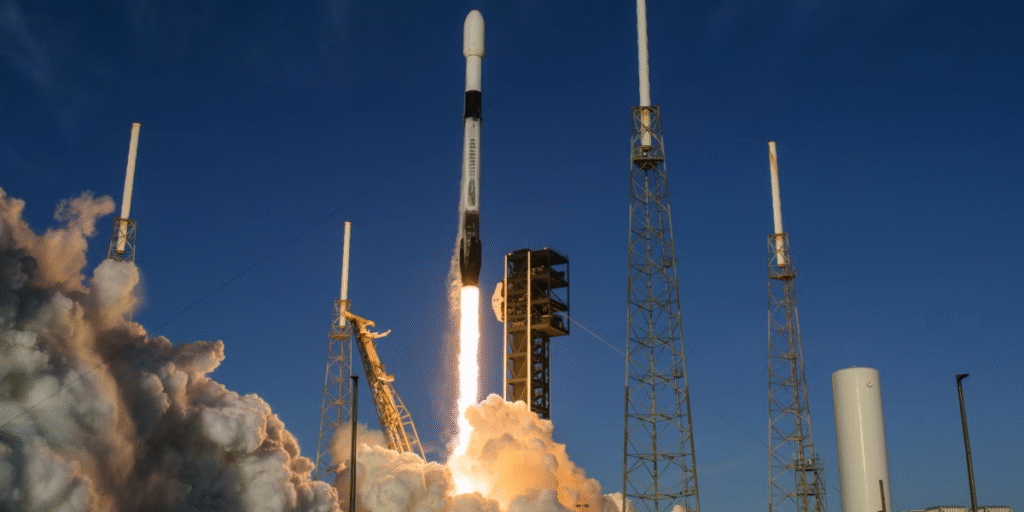
For years, investors around the world have been asking the same big question: will SpaceX finally go public? As one of the most valuable private companies in the world, SpaceX continues attracting enormous attention from financial markets, technology enthusiasts, and everyday investors hoping to own a piece of the future space economy.
The idea of a SpaceX IPO has become one of the most discussed topics in investing because the company sits at the center of several groundbreaking industries. Space exploration, satellite internet, reusable rockets, artificial intelligence integration, and global communications are all rapidly growing fields, and SpaceX plays a major role in each of them.
Unlike many companies that go public early to raise capital, SpaceX has remained private for years despite massive public interest. This unusual decision has only increased curiosity about whether an IPO could eventually happen.
In 2026, speculation continues to grow stronger as the company expands its influence globally. Investors want answers about when SpaceX might go public, why it has stayed private for so long, and what a future IPO could mean for financial markets.
The Rise of SpaceX
Founded in 2002 by Elon Musk, SpaceX began with a mission that many people initially considered unrealistic. The company aimed to reduce space transportation costs and eventually help humanity become a multi-planetary species.
At the time, private space companies faced enormous skepticism. Space exploration was traditionally dominated by governments and national agencies like NASA. Many critics believed a private company could never compete effectively in such a difficult and expensive industry.
However, SpaceX slowly proved doubters wrong.
The company achieved major milestones by developing reusable rocket technology that dramatically lowered launch costs. Successful missions, satellite launches, and partnerships with NASA helped establish SpaceX as one of the most innovative aerospace companies in the world.
Its Falcon rockets became widely recognized for reliability and efficiency, while the company’s Starship project captured global attention because of its ambitious goals related to deep-space travel and Mars exploration.
Over time, SpaceX evolved from a risky startup into one of the world’s most influential technology and aerospace companies.
Why SpaceX Has Stayed Private
One reason IPO rumors continue generating so much discussion is because SpaceX has repeatedly chosen to remain private despite enormous investor demand.
Many experts believe this decision reflects Elon Musk’s long-term vision for the company. Publicly traded companies often face pressure from shareholders who expect strong quarterly financial performance and predictable growth.
SpaceX operates differently.
The company focuses heavily on long-term technological development that may require years of investment before generating profits. Projects involving space exploration, reusable rockets, and Mars missions involve enormous costs and high risks that public investors may not always support patiently.
By staying private, SpaceX gains greater flexibility to pursue ambitious projects without constant pressure from stock market expectations.
Elon Musk has also previously suggested that taking SpaceX public too early could interfere with the company’s larger mission goals. He has expressed concern about short-term investor pressures affecting decisions related to long-term innovation.
This philosophy helps explain why the company continues resisting public market pressure despite strong demand from investors worldwide.
The Role of Starlink in IPO Speculation
One major reason IPO rumors intensified involves Starlink, SpaceX’s satellite internet division.
Starlink aims to provide high-speed internet access globally using thousands of satellites orbiting Earth. The service expanded rapidly over recent years and became one of SpaceX’s most commercially successful operations.
Because Starlink generates recurring revenue from internet subscriptions, many analysts believe it could potentially become a separate publicly traded business before SpaceX itself goes public.
This possibility created enormous speculation among investors.
Some experts argue that spinning off Starlink into its own IPO could help SpaceX raise significant capital while still keeping the main aerospace operations private. Others believe a Starlink IPO would allow investors to participate indirectly in SpaceX’s growth without exposing the core company to public market pressure.
Although no official timeline has been confirmed, Starlink remains one of the biggest factors fueling IPO discussions in 2026.
Why Investors Are So Interested

The excitement surrounding a potential SpaceX IPO comes from the belief that the company could become one of the most important businesses of the future.
Many investors compare SpaceX’s influence to major technology giants during their early growth phases. The company combines elements of aerospace innovation, artificial intelligence, telecommunications, defense technology, and advanced manufacturing.
Few companies operate across so many transformative industries at once.
Investors also admire SpaceX’s track record of achieving goals that once seemed impossible. Reusable rockets, private crewed missions, and large-scale satellite deployment all demonstrated the company’s ability to disrupt traditional industries.
This success created enormous confidence among supporters who believe SpaceX could continue dominating future technological development.
For many people, investing in SpaceX represents more than financial opportunity. It feels like participating in the future of humanity’s technological advancement and space exploration.
Elon Musk’s Influence on IPO Rumors
Any discussion about SpaceX naturally involves Elon Musk, one of the world’s most recognizable and controversial business leaders.
Musk’s public comments frequently influence investor expectations and market speculation. Over the years, he has made various statements suggesting that SpaceX may remain private longer than many investors hope.
At the same time, Musk has occasionally hinted that certain parts of the company could potentially become public under the right conditions.
Because of his unpredictable communication style, even small comments can trigger massive online discussions and financial speculation.
Supporters view Musk as a visionary entrepreneur capable of transforming entire industries. Critics argue that his ambitious goals sometimes create unrealistic expectations. Regardless of opinion, there is no doubt that his leadership plays a major role in SpaceX’s popularity and investor interest.
The connection between Musk’s public image and SpaceX’s reputation continues shaping IPO rumors in 2026.
Financial Valuation and Market Expectations
One reason a future SpaceX IPO would attract enormous attention is the company’s massive estimated valuation.
Private funding rounds over recent years reportedly valued SpaceX at hundreds of billions of dollars, making it one of the world’s most valuable private companies.
These valuations increased significantly because of strong investor confidence in both space technology and Starlink’s commercial potential.
If SpaceX eventually goes public, many analysts believe it could become one of the largest IPOs in financial history.
Such an event would likely attract attention from institutional investors, retail traders, technology funds, and global financial media. Comparisons to historic IPOs like Tesla, Facebook, and Alibaba Group frequently appear in discussions surrounding SpaceX.
However, extremely high valuations also create risks. Investors would expect continued rapid growth, technological leadership, and long-term profitability. Meeting such expectations could become challenging even for a highly successful company.
Challenges That Could Delay an IPO

Despite the excitement surrounding IPO rumors, several factors could continue delaying a public offering.
Space exploration remains an expensive and unpredictable industry. Rocket testing, spacecraft development, and satellite deployment involve technical risks that can affect timelines and financial stability.
Government regulations also play an important role. Aerospace and satellite businesses operate under strict national and international regulations, which can complicate expansion plans and investor expectations.
Additionally, Elon Musk may simply prefer maintaining private control over the company’s long-term strategy.
Public companies often face pressure to prioritize short-term financial results, while SpaceX focuses heavily on ambitious long-term goals like Mars colonization and advanced space transportation systems.
Maintaining privacy allows leadership to make decisions based on future technological vision rather than immediate shareholder reactions.
This remains one of the strongest reasons many experts believe SpaceX may stay private longer than expected.
How a SpaceX IPO Could Change the Market
If SpaceX eventually launches an IPO, the financial impact could be enormous.
The event would likely become one of the most heavily discussed stock market stories in years. Technology investors, growth funds, and retail traders would probably rush to participate.
A SpaceX IPO could also increase broader interest in aerospace investing. Companies connected to satellite technology, defense systems, artificial intelligence, and advanced manufacturing might receive greater investor attention as a result.
The IPO could also influence global conversations about the future of private space exploration.
For decades, space travel was primarily associated with governments. SpaceX helped shift public perception by proving private companies could play a major role in advancing space technology.
A public offering could symbolize the growing commercialization of the space industry itself.
Predictions for 2026 and Beyond
In 2026, analysts remain divided regarding the timing of a possible SpaceX IPO.
Some believe a public offering may still be years away because Elon Musk appears focused on long-term technological development rather than immediate stock market participation.
Others think the growing success of Starlink could eventually create conditions favorable for at least a partial public listing.
Certain financial experts predict that if market conditions remain strong and SpaceX continues expanding successfully, investor demand could eventually become too large to ignore forever.
However, predicting Elon Musk’s future decisions remains extremely difficult.
SpaceX has repeatedly surprised both supporters and critics throughout its history. The company’s willingness to pursue unconventional strategies makes traditional financial predictions less reliable.
For now, the most realistic expectation may be continued speculation rather than immediate confirmation of an IPO timeline.
Why SpaceX Represents More Than Just a Company
Part of the fascination surrounding SpaceX comes from what it represents culturally and technologically.
To many people, SpaceX symbolizes innovation, ambition, and the possibility of a future shaped by advanced technology and space exploration. The company’s missions inspire excitement in ways that few modern corporations can achieve.
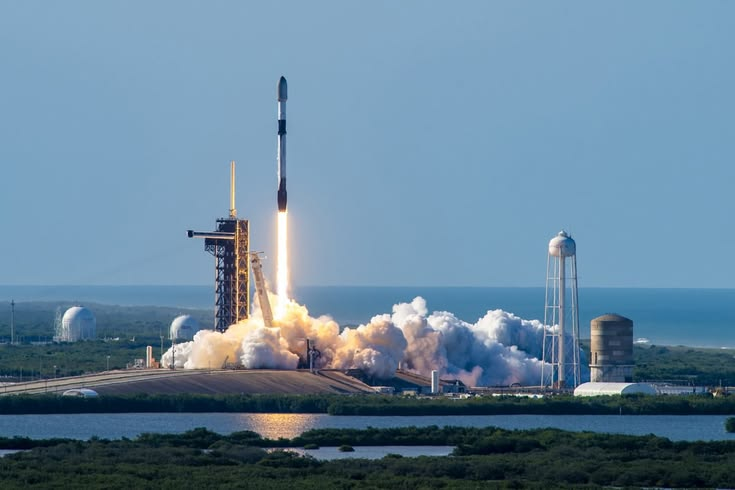
Rocket launches attract millions of viewers online. Discussions about Mars missions generate global interest. Starlink’s internet expansion affects communities worldwide.
This emotional and technological influence makes SpaceX different from many traditional businesses.
Investors are not simply interested in revenue growth. Many are emotionally connected to the company’s larger mission and futuristic vision.
That emotional connection partly explains why SpaceX IPO rumors continue dominating conversations in both technology and financial communities.
FAQs
1.Is SpaceX currently a public company?
No, SpaceX remains a privately owned company in 2026.
2.Why has SpaceX stayed private for so long?
SpaceX has stayed private largely because leadership wants flexibility to focus on long-term innovation without short-term stock market pressure.
3.Could Starlink have its own IPO?
Many analysts believe Starlink could potentially become a separate publicly traded company in the future.
4.Why are investors excited about a SpaceX IPO?
Investors see SpaceX as a leader in future industries like space exploration, satellite internet, aerospace technology, and advanced communications.
5.Who owns SpaceX?
Elon Musk is the founder and one of the major owners of SpaceX, alongside private investors and employees.