

Winter is easily one of the most exciting times of the year for online shopping. As the coldest months roll in, retailers scramble to clear out their warehouses and make room for incoming spring stock. Bright discount banners pop up across every corner of the web, promising huge markdowns on everything from heavy winter parkas and cozy bedding to laptops, beauty gift sets, and travel luggage. It suddenly feels as though the entire internet is marked down.
However, finding a genuine bargain during the Winter Sale 2026 shopping season requires more than just clicking on a giant “60% OFF” pop-up. Modern online retail is built on psychology. Flash countdown timers, inflated original prices, and clever marketing tricks are carefully tuned to make you checkout before you have time to think. A product marked down dramatically isn’t actually cheap if the store bumped its base price up a week earlier.
Smart shopping isn’t about luck; it’s about having a simple strategy. By understanding how seasonal clearance cycles operate, tracking historical price trends, checking return policies, and watching out for hidden delivery costs, you can walk away with items you genuinely love without wrecking your budget. Here is your complete, practical, human guide to navigating winter sales like an expert.
What Is the Winter Sale 2026 Shopping Season?

When people talk about the “Winter Sale,” they are referring to the extended promotional period running through the coldest months of the year. Brands use this window primarily to dump seasonal inventory, drive post-holiday sales revenue, and catch shoppers looking for late-season bargains.
Unlike Black Friday, which hits hard over a single long weekend, winter clearance moves in three distinct waves throughout the season:
Wave 1: Late December (Post-Holiday Clearance)
Launching right after Christmas (often starting on Boxing Day, December 26th), this wave focuses heavily on leftover holiday stock, overstocked beauty gift sets, boxed treats, and early winter clothing markdowns.
Wave 2: January Clearance (The Sweet Spot)
January is the peak window for overall seasonal savings. Stores aggressively mark down cold-weather clothing, bedding, space heaters, and winter sports gear. This is when brands are under the most pressure to free up warehouse space for spring inventory.
Wave 3: February Final Markdowns
By mid to late February, retailers trigger their absolute deepest discounts—often taking items down to 70% or 80% off original retail. The catch? Stock is thin. Popular sizes, standard colors, and top-rated models are usually long gone, leaving behind fragmented inventory.
While fashion and footwear dominate the headlines, you will also see heavy promotional activity across consumer electronics, home appliances, mattresses, skincare bundles, luggage, and everyday household goods.
Why Seasonal Clearance Offers Real Savings Opportunities
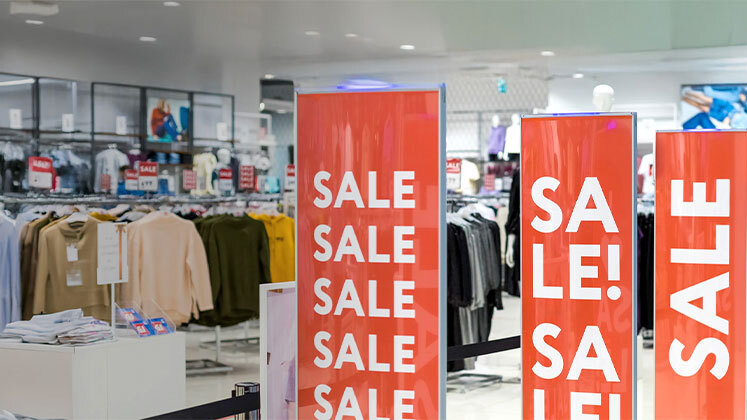

The primary reason winter sales present legitimate deals comes down to simple logistics: warehouse space is expensive.
Physical stores and online fulfillment centers operate on fixed square footage. A brand cannot store thousands of heavy, bulky winter coats, thick wool blankets, and heavy snow boots through spring and summer without incurring massive storage overhead.
This storage crunch creates a huge natural advantage for patient shoppers. A high-end, insulated parka that retailed for $280 in October might drop down to $120 by mid-January simply because the warehouse manager needs that shelf space for lightweight rain jackets and polo shirts.
On top of warehouse pressures, fierce competition works in your favor. When dozens of online stores fight for your attention during the January slump, they frequently toss in extra perks—like stackable coupon codes, lower free-shipping thresholds, or bonus store credit—just to earn your order over a rival.
The Best Categories to Target During Winter Sales
While almost every store puts up sale banners in winter, certain product categories offer vastly superior savings compared to others.
1. Winter Fashion, Coats, and Footwear
Apparel is the clear king of winter clearance. Heavy outerwear, down jackets, cashmere knits, thermal base layers, leather boots, and winter accessories see their deepest discounts of the entire year. Snagging a classic, well-made coat in a neutral tone near the end of the season is one of the easiest ways to build a premium wardrobe for next winter on a modest budget.
2. Home Comfort, Bedding, and Heating
Because people spend more time indoors during cold weather, retailers lean heavily into home comfort. Look out for deep markdowns on flannel sheet sets, high-loft down comforters, heated throws, space heaters, ambient lamps, rugs, and air purifiers.
3. Skincare and Beauty Gift Bundles
The post-holiday window is famous among beauty enthusiasts for massive savings. Boxed fragrance sets, multi-step skincare kits, and body-care packages created specifically for the holiday season are often marked down by 50% or more in January. The products inside are identical to the brand’s standard line—you’re simply getting them at a massive discount because the outer box features holiday artwork.
4. Travel Gear and Luggage
If you have travel planned for later in the year, winter is an underrated time to buy hardshell suitcases, travel duffels, packing cubes, and travel accessories. Luggage manufacturers routinely update their color palettes early in the new year, which means “last season’s” colorways get slashed in price.
5. Electronics and Smart Home Tech
Tech during winter sales requires a careful eye. While you can certainly find genuine discounts on noise-canceling headphones, tablets, smart speakers, TVs, and gaming gear, tech doesn’t move on a simple seasonal calendar like clothing. A discounted laptop might be on sale simply because a newer processor generation was just announced. Always check technical specs before jumping on a tech deal.
The Illusion of Discount Percentages: How to Spot Fake Deals

One of retail’s oldest psychological tricks is directing your focus toward the discount percentage instead of the final price tag.
A bright banner reading “60% OFF!” triggers an instant dopamine rush. It makes you feel like you’re beating the system. But the reference price—often listed as the “MSRP” or “Original Price”—might be a complete fantasy. Retailers sometimes list items at an artificially high price for a brief moment, only to immediately mark them “down” to the price they intended to charge all along.
Consider these two scenarios for the exact same pair of boots:
- Store A: Lists the boots at an “Original Price” of $220, marked down by 60% to $88.
- Store B: Sells the exact same boots at a regular everyday price of $75 with no sale tags or flashy banners.
Store A’s offer feels like a massive win because of the imaginary $132 savings, even though Store B is selling the exact same product for $13 less.
When you shop online during Winter Sale 2026, train yourself to blind out the percentage claims entirely. Look directly at the final dollar figure at checkout and ask one simple question: Is this item worth this exact amount of money to me today?
Smart Strategies to Maximize Your Savings Online
If you want to walk away with genuine bargains instead of falling for slick marketing, adopt these practical habits before you start adding items to your cart:
1. Build a Written “Needs List” First
Before opening browser tabs or clicking through promotional emails, write down a quick list of what you actually need or have already been saving up to buy. Shopping without a list leaves you completely vulnerable to algorithm-driven recommendation feeds designed to push cheap impulse buys.
2. Check Historical Price Trends
For tech, appliances, and branded goods, use browser price-tracking tools or price-history sites (like Keepa or CamelCamelCamel) to check the item’s historical pricing curve. You can instantly see whether the current “winter sale price” is an authentic drop or just the same price the item sells for every couple of weeks.
3. Layer Your Savings (Promo Code Stacking)
Never pay the listed sale price without trying to stack extra discounts on top:
- Search coupon directories for active promo codes.
- Sign up for the retailer’s email newsletter or SMS club to snag a standard 10%–15% welcome discount code.
- Check for student, teacher, healthcare, or military discount programs, which often stack directly on top of clearance items.
4. Factor in Shipping Costs Early
Sneaky delivery charges can ruin a great discount in seconds. Finding a sweater marked down from $60 to $30 feels fantastic—until you hit the final screen and realize shipping adds $10, bringing the price right back up to $40.
Always check the site’s threshold for free delivery. If you are close to the minimum spend, combining orders with a friend or family member is a great way to skip delivery fees without buying extra clutter you don’t need.
5. Always Inspect Clearance Return Policies
This is where thousands of online shoppers get caught out every single winter. Stores frequently tag deeply discounted clearance stock as “Final Sale,” “As-Is,” or “Non-Returnable.”
If you buy a coat or pair of shoes that turns out to be the wrong size, and the retailer refuses returns, your bargain purchase instantly becomes money thrown down the drain. Always check these three rules before hitting buy:
- Does the item qualify for a full refund, or only store credit?
- How many days do you have to initiate a return shipment?
- Does the retailer deduct return shipping fees from your final refund balance?
Flash Sales and Urgency Timers: How to Avoid Impulse Buying

E-commerce platforms spend millions testing user experience features engineered to create panic. Animated 15-minute countdown clocks, pop-ups claiming “4 other shoppers have this item in their cart!”, and flashing low-stock warnings exist solely to make you buy before your rational brain can kick in.
When you feel that familiar rush of urgency from a flash timer, pause and use the 20-Minute Rule:
Leave the item sitting safely in your cart, step away from your phone or laptop, and go do something else—make a cup of tea, stretch, or reply to a message. If you come back 20 minutes later and still feel that the item is a necessary, well-priced purchase that fits your budget, go ahead and complete the order. More often than not, the emotional urge fades, saving you from a purchase you would have regretted by tomorrow.
Buy Early or Wait for Final Markdowns?
Deciding when to strike during a seasonal sale comes down to balancing selection against price drop depth.
| Sale Phase | Average Discounts | What Inventory Looks Like | Best For |
| Early Winter Sales (Dec – Early Jan) | 20% to 40% OFF | Excellent stock. Full range of standard sizes, popular colors, and trending styles. | Core wardrobe staples, specific coat sizes, high-demand electronics. |
| Late Winter Clearance (Late Jan – Feb) | 50% to 75%+ OFF | Highly fragmented stock. Odds and ends, extreme sizes, and limited color options remaining. | Flexible shoppers, home throw blankets, beauty sets, non-sized accessories. |
If you are hunting for a essential staple—like a classic black winter coat in a standard Medium—it is almost always better to buy during the early-to-mid January window. Waiting for final clearance in February means you will likely find that standard sizes sold out weeks ago.
However, if you are buying items where precise sizing isn’t an issue—like throw blankets, scented candles, skincare packages, or oversized scarves—waiting for late-stage clearance lets you capture rock-bottom prices.
How to Protect Yourself from Online Clearance Scams

Because millions of shoppers search for online deals during winter sales, scam artists actively set up fake web storefronts and deceptive social media ads to target bargain hunters. Fake sites routinely copy the exact layout and images of famous clothing or footwear brands, offering premium $200 jackets for unbelievable prices like $19.
Keep your personal data and money safe by sticking to these security rules:
- Examine the Address Bar: Check the site URL carefully. Scammers often use tiny misspellings or uncommon domain extensions (like
brand-clearance-sale.toporofficial-store-discounts.vip). - Stick to Secure Payment Methods: Reputable online stores support trusted, protected payment options like credit cards, PayPal, Apple Pay, or Google Pay. Walk away immediately if a store demands direct bank transfers, wire payments, or obscure app transfers.
- Look Up Unfamiliar Stores: If you stumble across an unfamiliar store offering an amazing deal, take two minutes to look up independent customer feedback on third-party review sites before typing in your credit card details.
FAQs
1. When should I actually buy to get the best deals?
Aim for mid-to-late January. Stores are desperate to empty their warehouses for incoming spring stock, so you get the sweet spot of heavy markdowns while good sizes and colors are still sitting on the shelves.
2. How do I know if a “60% OFF” sticker is real or fake?
Ignore the flashy banner and look straight at the final dollar amount. Brands love inflating the “original price” right before a sale to make discounts look huge, so ask yourself one simple question: Is this item actually worth this final price to me today?
3. What’s the catch with buying final clearance items?
The return policy—or lack of one. Deeply discounted items are usually marked “Final Sale,” meaning if a coat doesn’t fit or a shoe pinches, you are stuck with it. Always check if a store allows refunds or store credit before hitting pay.
4. Which items are actually worth grabbing during winter sales?
Heavy winter coats, boots, cozy bedding, and leftover holiday beauty gift sets. Stores hate paying high fees to store bulky winter gear all year, so they drop prices hard just to get rid of them.
5. How do I stop myself from panic-buying when I see a timer?
Use the 20-minute rule. When a flashing countdown clock or a “Only 2 left!” warning makes you feel rushed, close the tab and step away to make a cup of tea. If you still care about the item 20 minutes later, go back for it. Most of the time, the urge completely vanishes.